 Folk
FolkAn empty feeder feels like proof something’s wrong, but most of the time it’s one of a handful of fixable issues — not a sign your yard is somehow unappealing to birds. Before changing anything drastically, work through the causes below roughly in order; the first two account for the majority of “no birds” complaints.
First: How Long Should You Actually Wait?
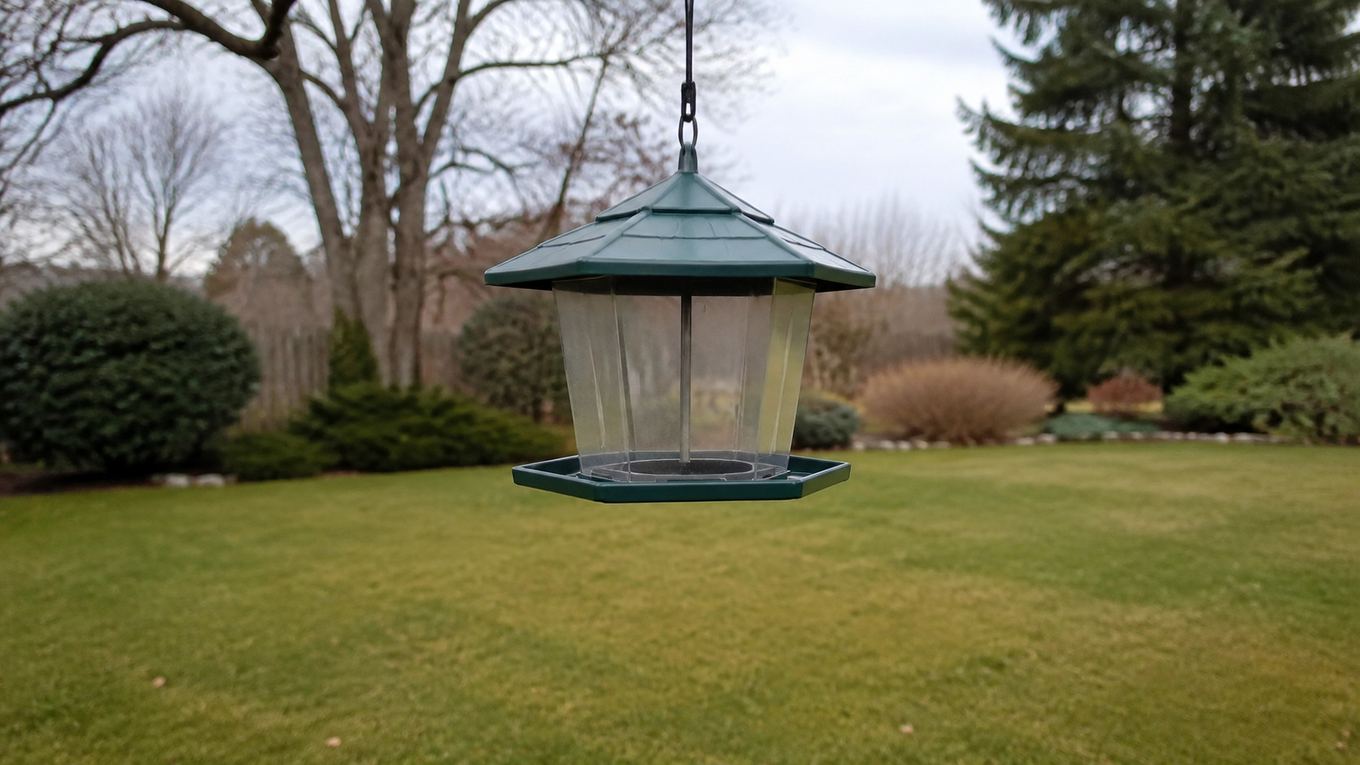
A brand-new feeder often sits untouched for 1 to 4 weeks before birds find it — they locate feeders gradually, by sight and by watching other birds, not immediately. That window stretches longer in yards with fewer birds nearby to begin with, or right after a big seasonal shift like a house move or major landscaping change. Don’t judge a new feeder’s success before giving it at least two full weeks.
Troubleshooting by Symptom
| Symptom | Likely cause | Fix |
|---|---|---|
| No birds at all yet | Feeder is new; birds haven’t found it | Give it 1–4 weeks before changing anything |
| Birds visit briefly, don’t stay | Cheap seed mix full of filler (milo, wheat) | Switch to black oil sunflower or a filler-free mix |
| Feeder empties overnight with no birds seen | Squirrels or raccoons cleaning it out | See our squirrel-proofing guides |
| Birds show up, then vanish suddenly | An outdoor cat or hawk patrolling nearby | Add nearby cover for a fast escape route; keep pet cats indoors |
| Feeder rarely visited even when full | Poor placement — too exposed, too noisy, no cover | Move within 10–15 feet of shrub cover, away from heavy foot traffic |
| Seed sits untouched | Seed is stale, damp, or moldy | Discard it and refill with fresh seed stored in a sealed container |
| Only one or two species show up | Feeder type doesn’t match target species | Match feeder to species — see our feeder types guide |
| Activity drops off mid-season | Natural food is abundant nearby, or a migration gap | Normal seasonal lull — keep seed fresh and wait it out |
Causes That Are Easy to Overlook
- A dirty or moldy feeder. Birds avoid contaminated food, and a genuinely dirty feeder can spread disease like salmonellosis — see our cleaning schedule if it’s been more than two weeks.
- No water source nearby. Water pulls in far more species than seed alone, and its absence quietly caps how many birds treat your yard as worth visiting — see our bird bath guide.
- Recent pesticide or herbicide use. Killing off insects nearby removes part of the natural diet many birds rely on alongside seed, even dedicated feeder visitors.
- A change you didn’t connect to the feeder. New construction, a new outdoor pet, or a newly cleared tree line can all disrupt a feeder that worked fine before.
Quick Fixes Worth Trying This Week
- Clean the feeder thoroughly with hot water and a stiff brush
- Switch to plain black oil sunflower seed if you’re currently using a cheap mixed blend
- Add a simple water source within sight of the feeder
- Relocate the feeder to within 10–15 feet of shrub or tree cover
- Give any single change 1–2 weeks before judging whether it worked
A Simple Week-by-Week Audit
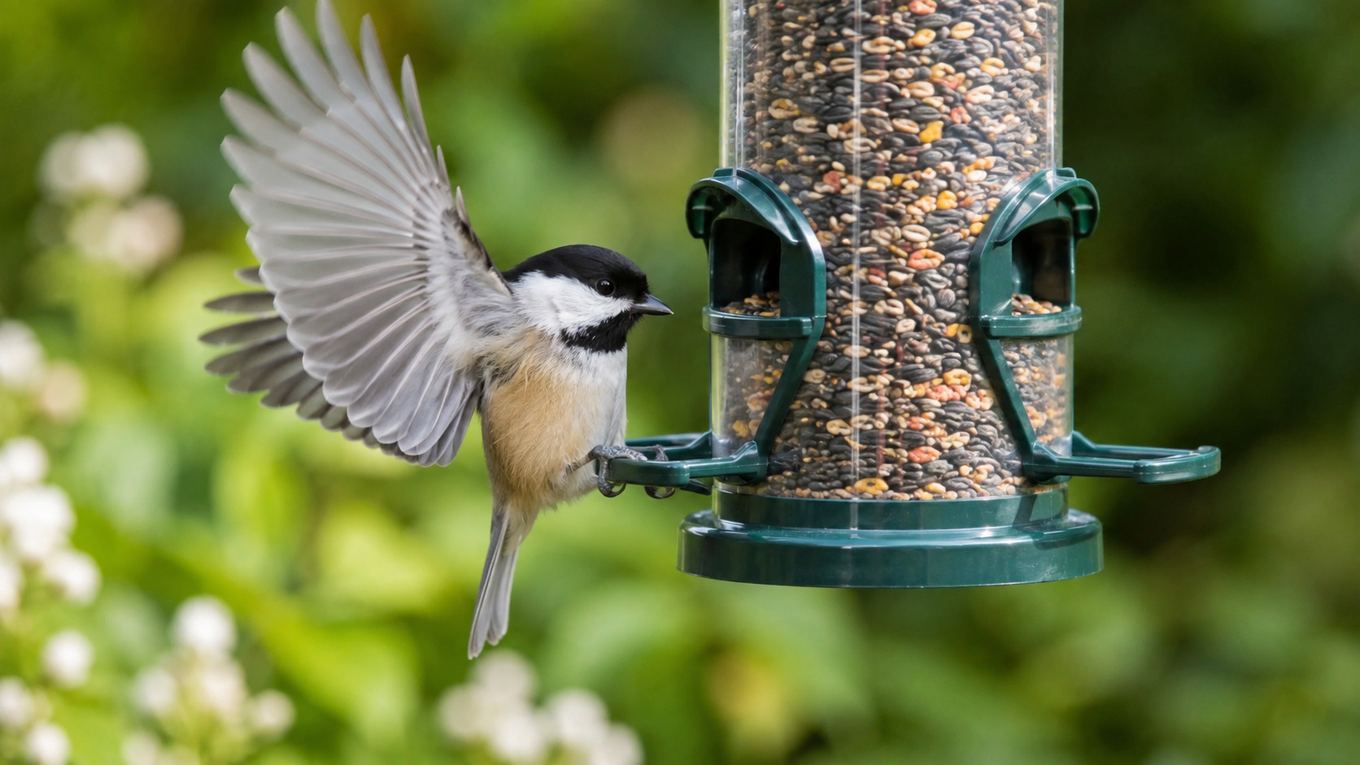
- Week 0: Clean the feeder, refill with fresh black oil sunflower seed, and confirm placement is near cover but not overly exposed.
- Week 1: Observe without changing anything else — note any activity, even a single visit.
- Week 2: If there’s still nothing, add a water source or relocate the feeder to a quieter, more sheltered spot.
- Weeks 3–4: If activity is still flat, consider whether the feeder type matches the birds actually in your area, and rule out a persistent predator or squirrel problem keeping birds away.
If you’ve worked through this list and still aren’t seeing activity, it’s worth revisiting the basics in our pillar guide to attracting backyard birds — food, water, and cover all need to be working together, and a gap in just one of them is often the real answer.