 Folk
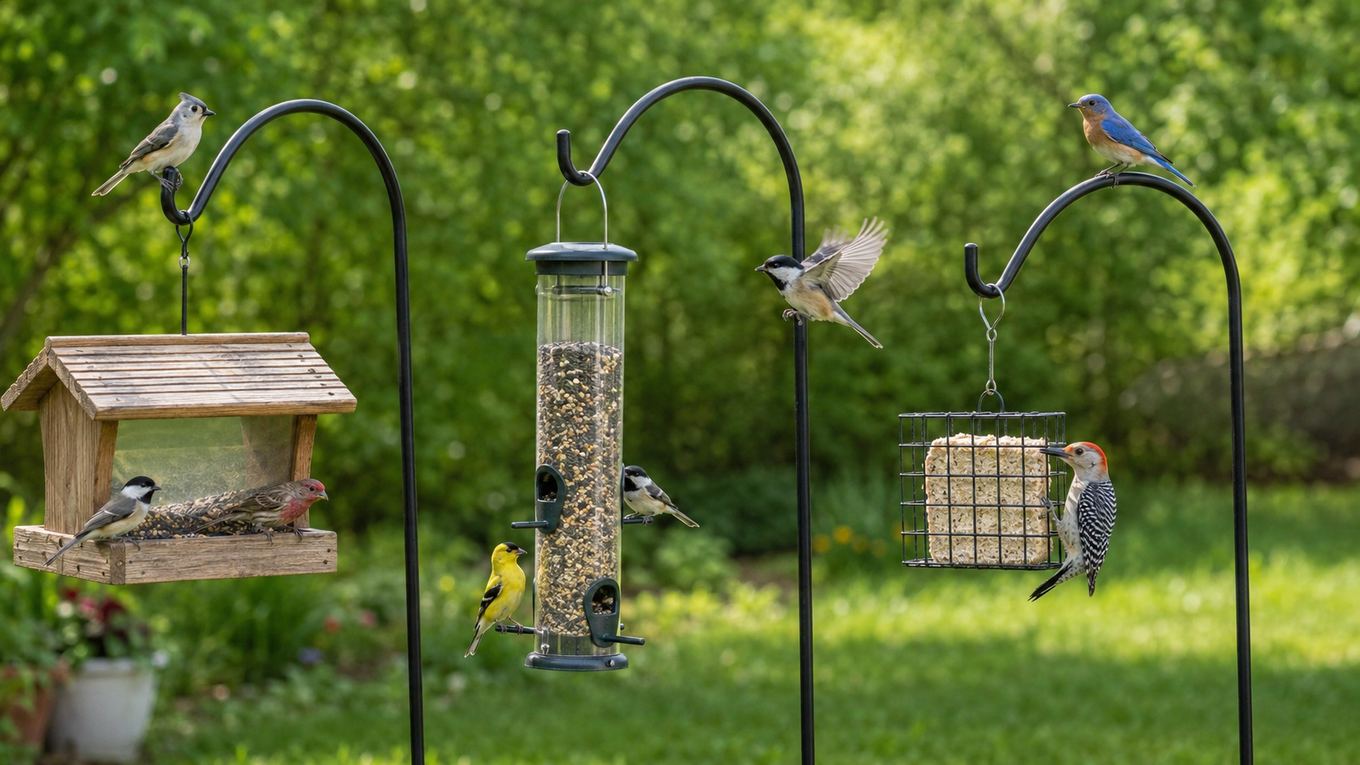
FolkFeeders bring birds to a spot you chose. Plants bring birds to your whole yard — and they do it without a single refill. The right mix of seed heads, nectar flowers, and berry shrubs feeds birds directly, hosts the insects nestlings actually need, and gives them cover in between. Here’s what to plant and why it matters more than most people expect.
Why Native Plants Do More Work Than Exotic Ones
A garden full of ornamental exotics can look full and still feed almost nothing. Native plants co-evolved with local insects, so they host far more caterpillars and other soft-bodied insects — the food nearly all songbirds need to raise young, even seed-eating species like chickadees. A single native oak can host hundreds of caterpillar species; a common ornamental import from another continent often hosts a handful. If you plant only one native tree this year, an oak does more for local bird populations than almost anything else you could choose.
Plants for Seed-Eaters
Leave the seed heads standing instead of deadheading in fall — they’re a food source, not just a chore you skipped:
- Coneflower (Echinacea) — goldfinches strip the seed heads well into winter
- Black-eyed Susan (Rudbeckia) — similar draw, blooms most of summer first
- Native sunflowers — large seed heads favored by finches, chickadees, and jays
- Little bluestem and other native grasses — seed for sparrows and juncos, plus nesting material
Plants for Nectar-Feeding Birds
Tubular, red or orange flowers are a hummingbird magnet — it’s the shape and color they key in on, not the species name:
- Trumpet honeysuckle (Lonicera sempervirens) — the native, well-behaved alternative to invasive Japanese honeysuckle
- Bee balm (Monarda) — reliably draws hummingbirds through summer
- Cardinal flower (Lobelia cardinalis) — thrives in damp soil, one of the most hummingbird-attracting natives available
- Columbine (Aquilegia) — an early-season nectar source before summer bloomers kick in
Example: a native pollinator and hummingbird plant starter kit
For feeder-based nectar options alongside these plants, see our guide to attracting hummingbirds.
Plants for Berries and Fruit
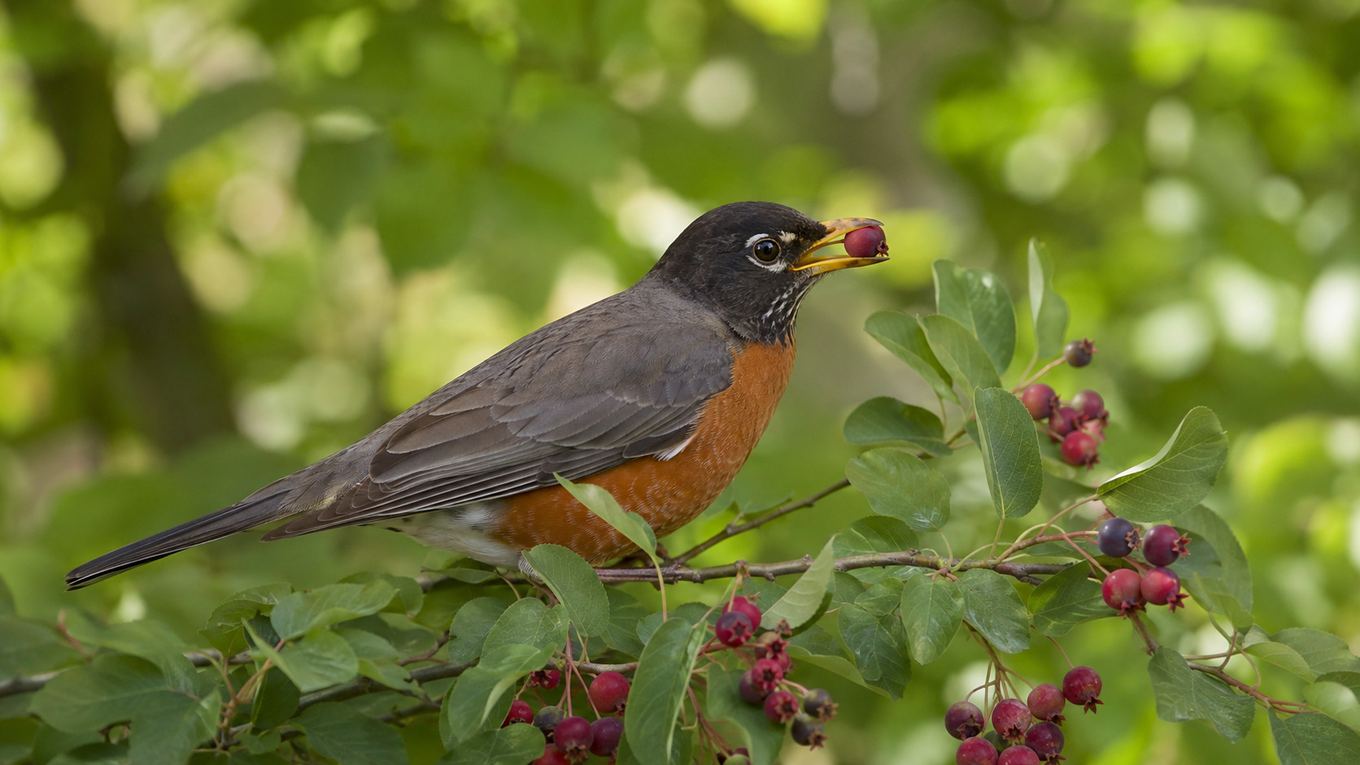
Berry shrubs feed a different crowd than seed and nectar plants — robins, waxwings, and mockingbirds rarely visit feeders at all, but they’ll strip a fruiting shrub clean:
- Serviceberry (Amelanchier) — early-summer berries, also a strong pollinator plant
- Winterberry holly (Ilex verticillata) — bright red berries that persist into winter; needs a male plant nearby to pollinate the fruit-bearing females
- Elderberry (Sambucus) — heavy summer fruit production, popular with a wide range of species
- Native dogwood (Cornus) — fall berries plus good insect-hosting value
Plant Type at a Glance
| Plant type | Examples | Birds attracted |
|---|---|---|
| Seed plants | Coneflower, black-eyed Susan, native sunflower | Goldfinches, sparrows, juncos, chickadees |
| Nectar flowers | Trumpet honeysuckle, bee balm, cardinal flower | Hummingbirds |
| Berry shrubs | Serviceberry, winterberry holly, elderberry | Robins, waxwings, mockingbirds |
| Native trees | Oak, native cherry, birch | Warblers, vireos, and other insect-eaters (via caterpillars) |
| Native grasses | Little bluestem, switchgrass | Sparrows, juncos (seed and nesting material) |
How to Layer a Bird-Friendly Garden
Birds use different plant heights for different things, so a single flat flower bed does less than a garden with real vertical layers:
- Start with a canopy layer if you have room — one native tree (oak, cherry, or birch) anchors the whole habitat and hosts the most insects.
- Add an understory layer of smaller trees or large shrubs, like serviceberry or dogwood, for mid-height cover and fruit.
- Fill in a shrub layer — winterberry holly, elderberry, or native viburnum — for dense nesting cover closer to ground level.
- Plant perennials and grasses at the base — coneflower, black-eyed Susan, little bluestem — for seed and ground-level activity.
- Leave some leaf litter and don’t over-mulch the base layer; it shelters the insects that feed nestlings in spring.
Mistakes to Avoid
- Planting invasive exotics that look similar to natives. Japanese honeysuckle and butterfly bush are common offenders — attractive to look at, but they crowd out the native plants birds actually depend on.
- Using pesticides or herbicides in a yard planted for birds. Killing the insects removes the food source you just planted for; this undercuts the whole point of native planting.
- Deadheading or cutting back everything in fall. Standing seed heads and stems are winter food and shelter, not mess.
- Choosing double-flowered ornamental cultivars. They’re often bred in ways that reduce accessible nectar and pollen compared to straight native species.
Plants take a season or two to fully pay off, so pair them with a feeder set up correctly for your target species while the garden establishes — see our pillar guide to attracting backyard birds for how food, water, and cover fit together.