 Folk
FolkA cheap bag of “wild bird seed mix” that looks full but never seems to get eaten isn’t a fluke — it’s usually the ingredient list. Birds are picky in predictable ways, and a mix loaded with the wrong filler grains can sit almost untouched while the same birds happily clear out a plainer, pricier bag next to it.
How to Read a Mix Label
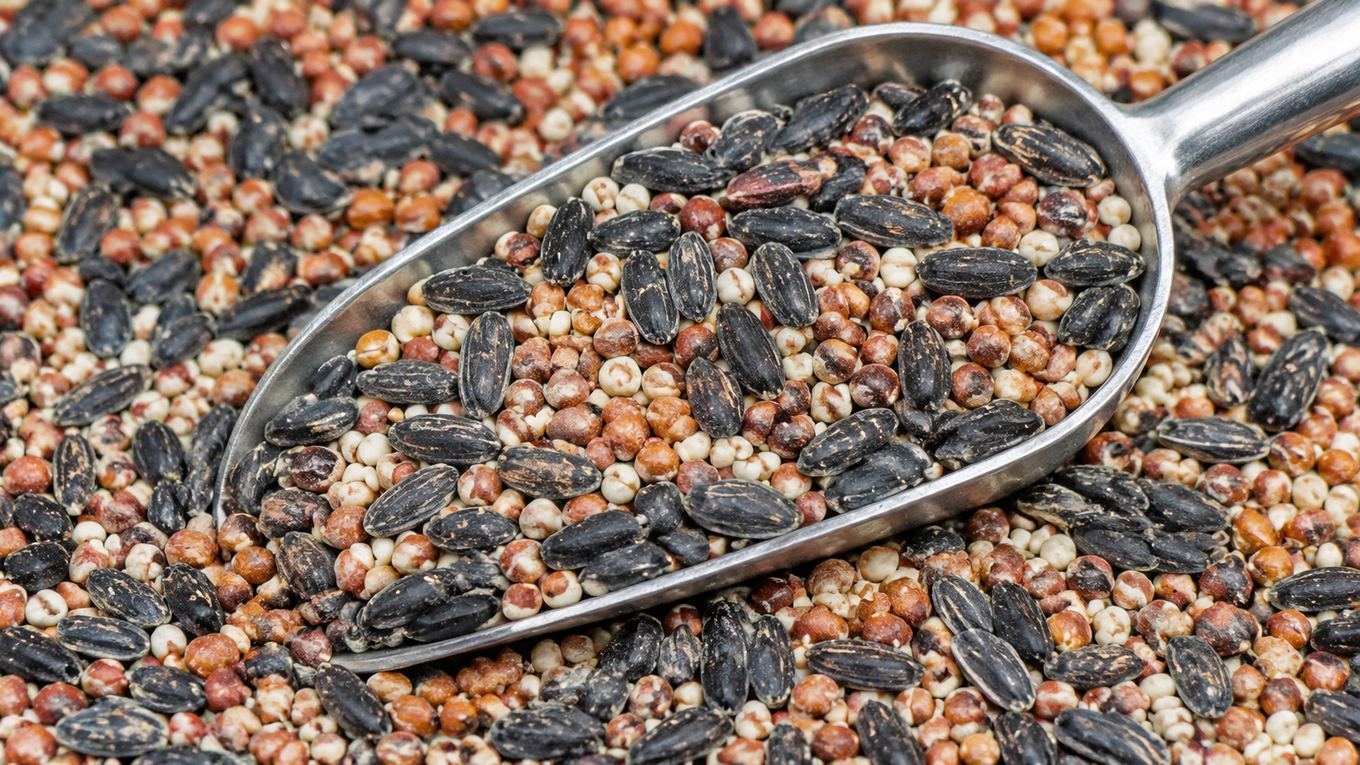
Ingredients are listed by weight, heaviest first — so whatever’s listed first is what you’re mostly paying for. That single detail tells you more about a mix’s real value than the price tag or the bag’s marketing copy.
- Good signs: black oil sunflower or sunflower chips listed first or second, white proso millet listed for ground-feeding species
- Warning signs: red milo (labeled “milo” or “sorghum”), wheat, or oats listed as the first or second ingredient — these are the cheapest fillers to grow and the ones birds skip most often
The Worst Offender: Milo
Milo (grain sorghum) is round, reddish, and cheap to produce, which is exactly why it shows up in bargain mixes despite most backyard birds in most regions largely ignoring it. It’s not toxic or harmful — birds just don’t prefer it, so it accumulates on the ground under the feeder, attracts mice, and eventually rots or grows mold.
Recommended gearExample: a birdseed mix with no milo, wheat, or oat filler
Ingredients Worth Paying For vs. Skipping
| Ingredient | Verdict | Why |
|---|---|---|
| Black oil sunflower | Worth it | Eaten by nearly every feeder bird |
| Sunflower chips (hulled) | Worth it | No shell mess, though pricier |
| White proso millet | Situational | Good for ground-feeders, wasted in a hanging tube feeder |
| Safflower | Worth it if targeting cardinals | Bypassed by squirrels and some nuisance birds |
| Milo/sorghum | Skip | Largely ignored by most common feeder birds |
| Wheat, oats | Skip | Cheap filler, low bird interest |
| Cracked corn | Situational | Fine on the ground in moderation; can draw deer or raccoons in bulk |
Why “More Ingredients” Doesn’t Mean Better
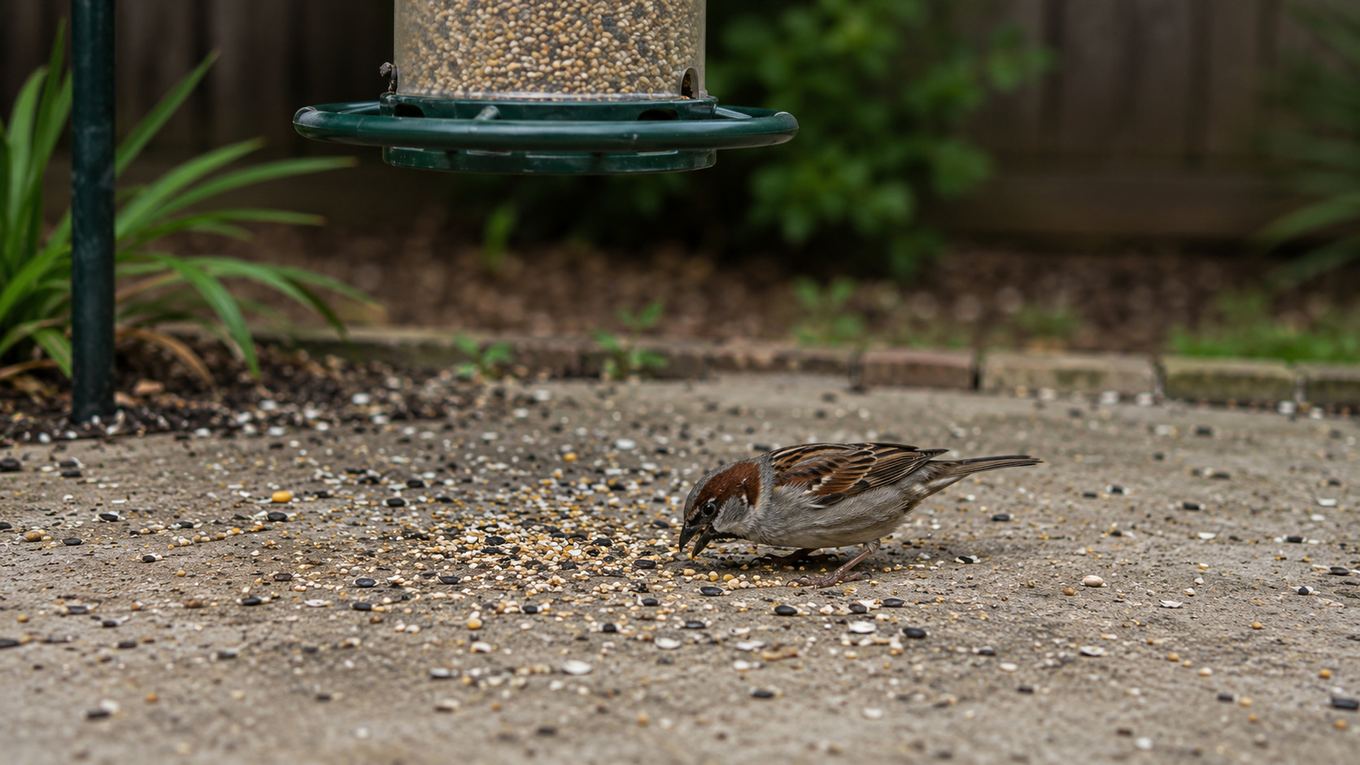
A long ingredient list looks generous, but mixing filler grains into an otherwise good bag doesn’t add value — it just means birds pick through it, scattering the parts they don’t want onto the ground below the feeder. That waste seed then does double duty as a mess to clean up and a draw for rodents.
- A short, high-quality ingredient list (sunflower plus maybe millet or safflower) consistently outperforms a longer list padded with milo or wheat
- Buying single-ingredient seed and mixing your own blend, or using separate feeders for separate seed types, avoids the filler problem entirely
Choosing a Mix in the Store
- Flip the bag over and check the first two ingredients before anything else — that’s most of what you’re buying.
- Skip any mix listing milo, wheat, or oats first; the low price isn’t a bargain if most of it ends up on the ground.
- If you want variety without waste, buy sunflower, safflower, and nyjer separately and offer them in feeders matched to each — see our feeder types guide.
- For ground-feeding species specifically, a millet-heavy mix scattered on a platform or the ground is a legitimate, not wasteful, choice.
Once you’ve got a mix (or separate seeds) worth feeding, storing it properly protects that investment — see our guide to storing birdseed so it doesn’t go stale or attract pests before the birds get to it.