 Folk
FolkA ring of dead grass and a pile of husks under a feeder isn’t inevitable — it’s a side effect of shelled seed, and it disappears almost entirely once you switch to hulled (“no-mess”) blends. The seed costs more, but it solves a specific, common complaint that no amount of feeder placement fixes on its own.
What “No-Mess” Actually Means
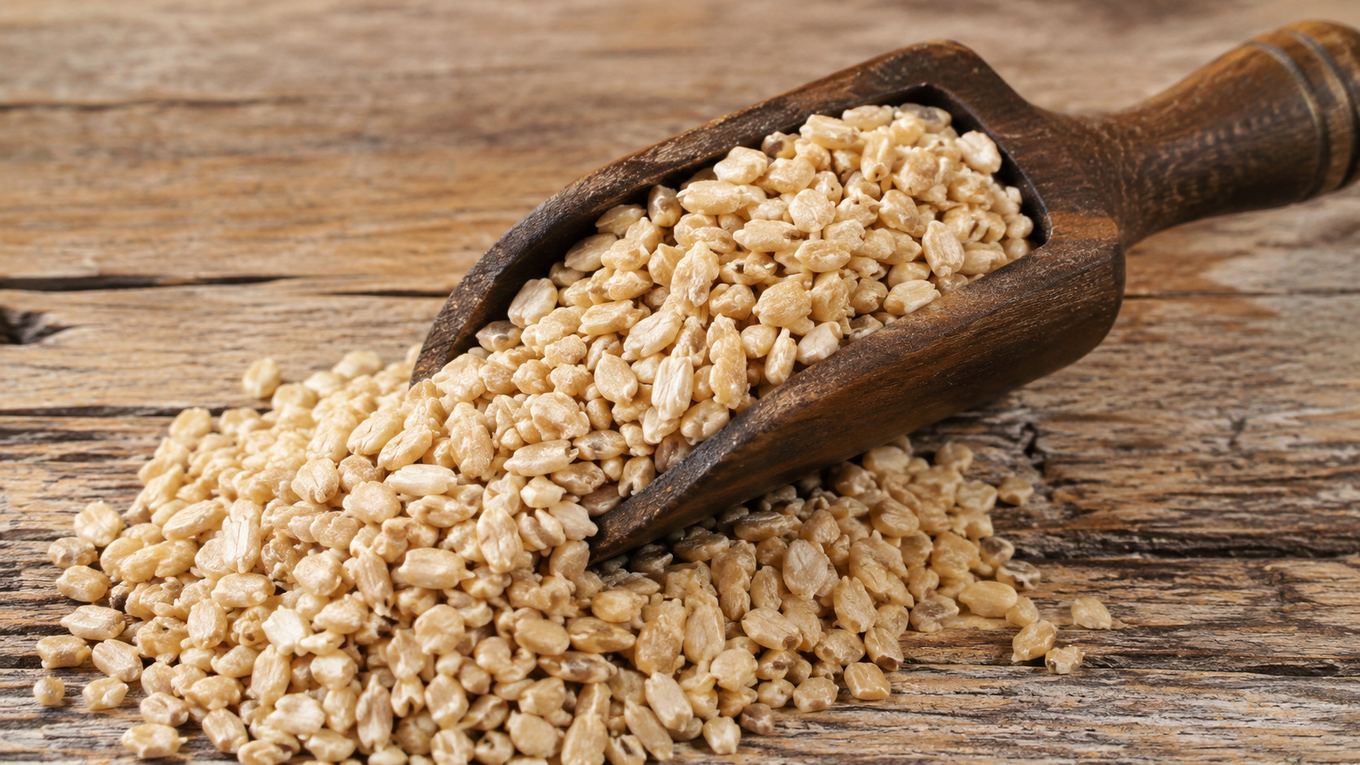
No-mess blends are simply seed with the shell already removed before packaging — sunflower chips (hulled sunflower hearts), hulled millet, and shell-free peanut pieces are the most common ingredients. Nothing about the seed itself changes; birds just skip the step of cracking it open.
The Real Benefits
- No husk pile underneath the feeder — regular shelled sunflower leaves a growing mound of empty hulls that needs periodic cleanup
- No lawn dieback ring — accumulated sunflower hulls contain compounds that can inhibit grass growth directly beneath a feeder over time; hulled seed removes that problem at the source
- Less energy cost for birds — no shell to crack means more net calories per seed, which matters most to smaller birds in cold weather
- Broader appeal — because there’s no shell-strength barrier, even birds that struggle with tougher shells (like striped sunflower) can eat hulled seed easily
Example: a bag of hulled sunflower chips for mess-free feeding
The Trade-Offs
- Higher price per pound — you’re paying for the processing, even though there’s no shell weight padding out the bag
- Spoils faster — without a protective shell, hulled seed is more exposed to moisture and can mold or turn to mush faster in wet weather
- Needs more frequent small refills — buying and storing large quantities works against the faster spoilage, so smaller, more frequent purchases suit hulled seed better than bulk buying
Hulled vs. Shelled Seed at a Glance
| Factor | Hulled (“no-mess”) | Regular shelled seed |
|---|---|---|
| Mess under feeder | Minimal | Husk pile builds up over time |
| Lawn effect | None | Can cause a dead-grass ring |
| Price per pound | Higher | Lower |
| Freshness once opened | Shorter | Longer — shell protects the seed |
| Waste | Essentially none | Some seed skipped and wasted (shell + rejected seed) |
When It’s Worth the Extra Cost
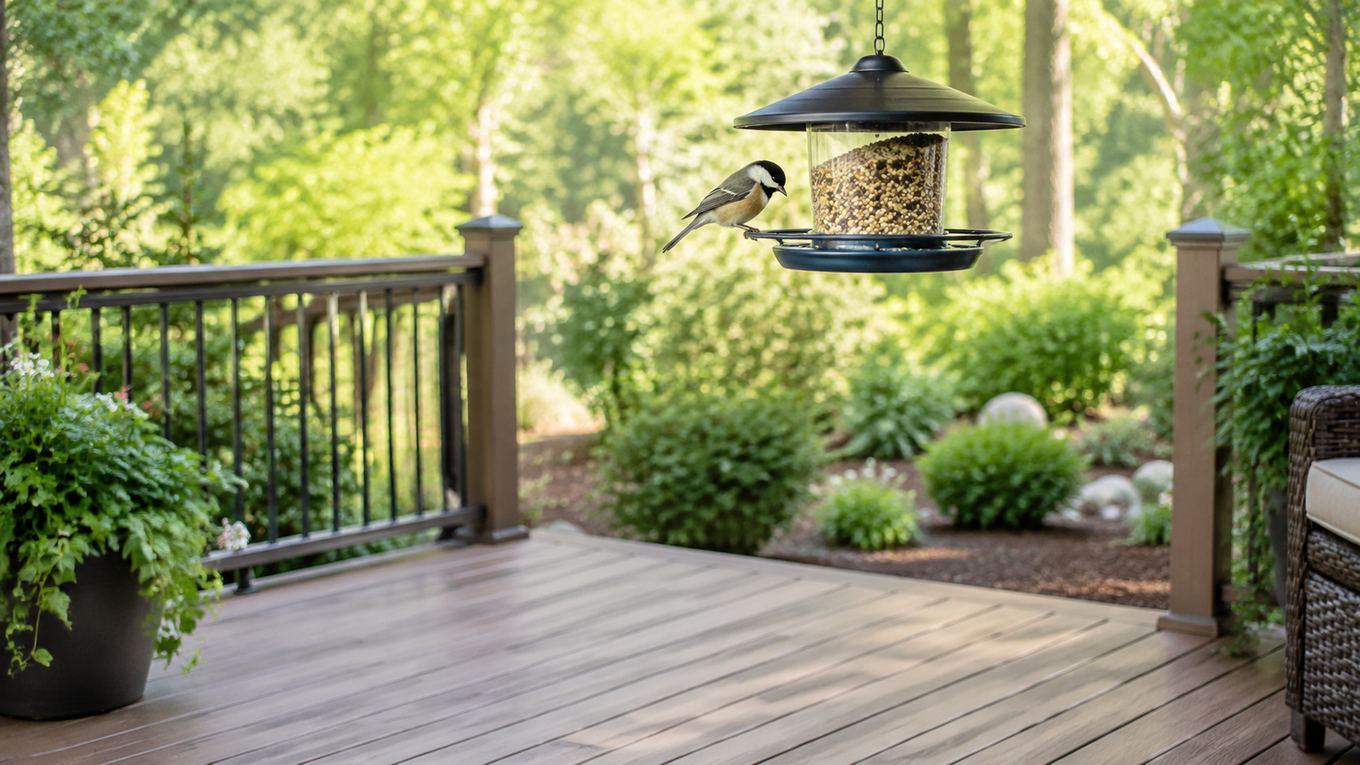
- Choose hulled blends if the feeder sits over a patio, deck, or walkway where husk mess and dead grass are a real nuisance.
- Choose hulled blends for apartment or balcony feeding, where there’s no lawn to worry about but cleanup is still a daily concern.
- Stick with regular shelled sunflower for feeders over open lawn or garden beds, where husks aren’t a problem and the lower price and longer shelf life matter more.
- Buy hulled seed in smaller quantities more often rather than in bulk, since it spoils faster than shelled seed once exposed to air and moisture.
For the full rundown of seed types and what each one attracts, see our pillar guide to bird seed and food types, and our guide to storing birdseed for keeping hulled seed fresh despite its shorter shelf life.