 Folk
FolkAn old nest left in place doesn’t just look untidy — it carries parasites, mites, and old scent that can make a box less appealing to the next pair, or actively unsafe. Cleaning is quick, but the timing and method both matter more than people expect.
When to Clean
- After each brood fledges — many species raise more than one brood per season, and a fresh box encourages reuse rather than abandonment
- At the very end of the nesting season — a full clean-out once fall arrives clears the way for winter roosting use and next spring’s early scouts
- Before the next season starts — even if you cleaned in fall, a quick check in late winter catches anything that moved in since (mice and insects both use empty boxes over winter)
What You’ll Need
- Work gloves
- A small trowel or scraper
- A stiff brush
- A dust mask, since old nesting material can carry mold spores and mite debris that aren’t good to breathe in directly
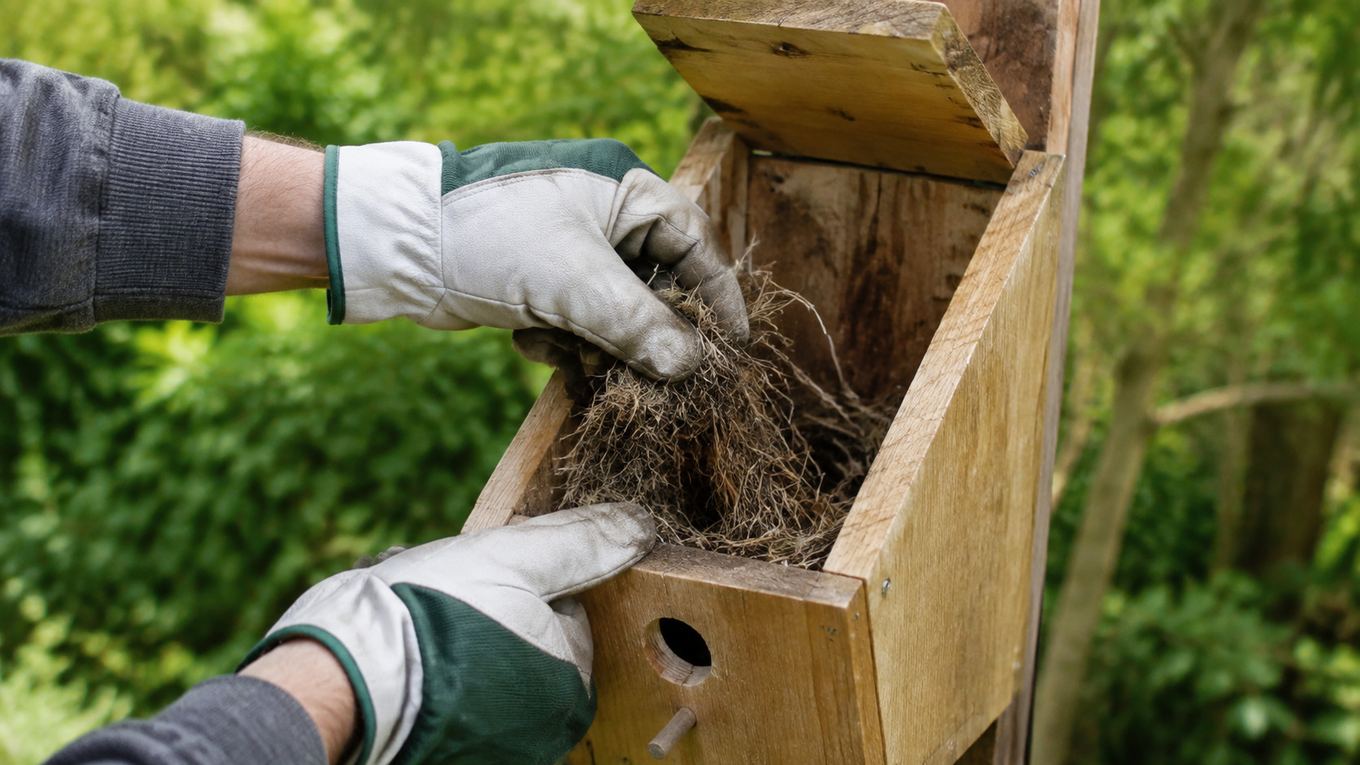
Example: a basic nest box cleaning kit with brush and scraper
Cleaning Steps
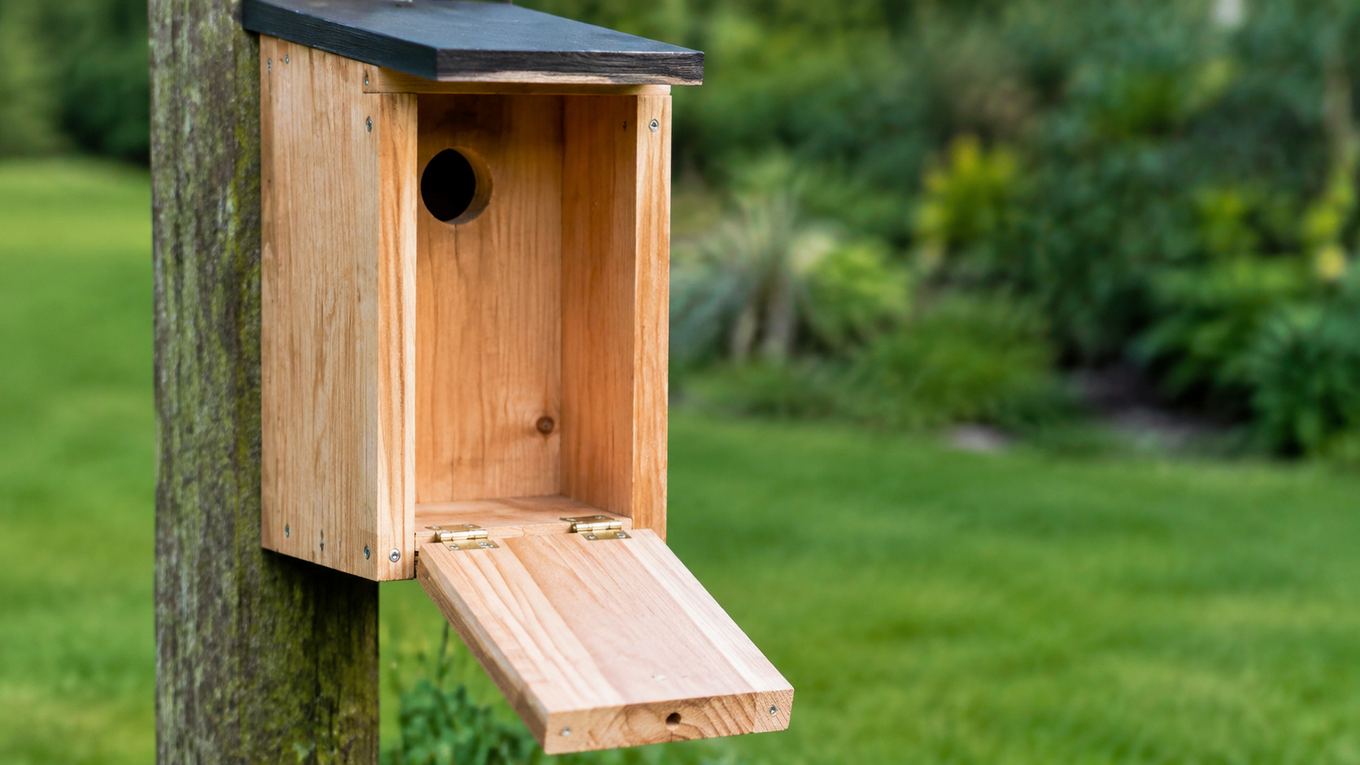
- Open the hinged access panel and confirm the box is empty — check carefully for late fledglings or a second active nest before removing anything.
- Scrape and remove all old nesting material with a trowel, working it loose from the corners and floor.
- Brush out any remaining debris, feathers, or mite casings from the interior walls and floor.
- Skip soap or disinfectant unless there’s a specific parasite or disease concern — plain mechanical removal is usually enough, and harsh chemical residue isn’t ideal in an enclosed nesting space.
- Leave the box empty and open to air out for a few hours before closing it back up.
Why It’s Not Optional
Old nesting material is where mites and other parasites overwinter, ready to infest the next brood as soon as eggs hatch. A heavy mite load can weaken or kill nestlings that would otherwise have survived — a problem that’s entirely preventable with a five-minute clean-out between uses. Old material also holds moisture longer than a clean box, adding mold risk on top of the parasite issue.
What to Do With the Old Material
Discard old nesting material away from the box rather than leaving it on the ground directly underneath — mites and parasites in a discarded nest can still find their way back to a box sitting a few feet above it. A general yard waste bin or a spot well away from any active boxes both work fine.
Cleaning protects the setup you already got right — see our placement and predator safety guide and our pillar guide to birdhouses for the rest of what makes a box worth maintaining in the first place.