 Folk
FolkHummingbirds are the one backyard bird where a bad feeder setup doesn’t just fail to attract them — it can actively harm them. The good news is the correct setup is simple and cheap: it’s mostly about getting the nectar ratio and cleaning schedule right, then adding a few flowers to back it up.
The Nectar Recipe: Keep It Simple
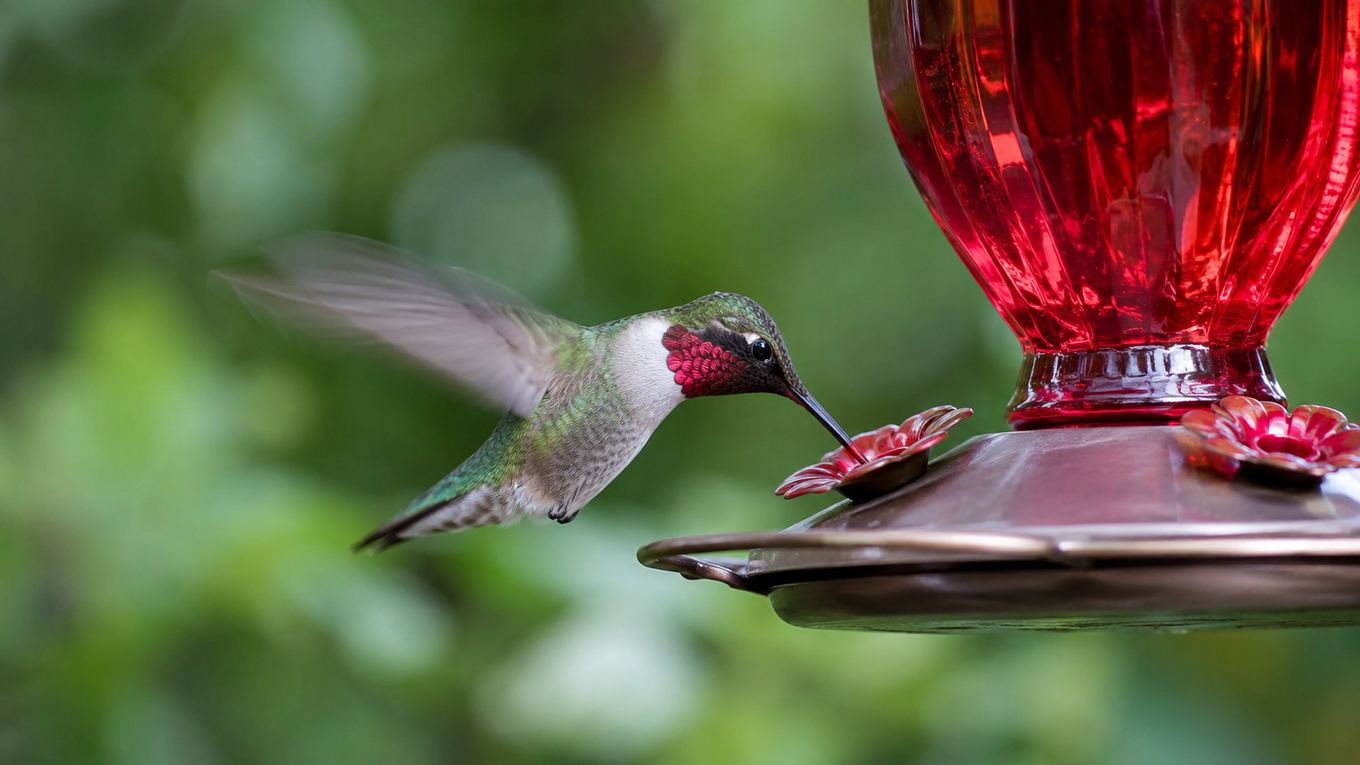
Mix 1 part plain white sugar to 4 parts water — no dye, no honey, no artificial sweeteners. Boiling the water first and letting it cool helps the sugar dissolve fully and slows bacterial growth, though it’s not strictly required. That’s the entire recipe; hummingbirds don’t need anything more complicated, and several common additions actively cause problems:
- Red dye — unnecessary and a possible irritant; feeder ports are usually already red or paired with red accents, which is what draws hummingbirds in
- Honey — ferments quickly and can grow a fungus that’s dangerous to hummingbirds; never substitute it for sugar
- Artificial or low-calorie sweeteners — provide no real calories, which defeats the purpose for birds burning enormous amounts of energy
How Often to Change the Nectar
Nectar spoils faster than most people expect, especially in heat — cloudy or stringy nectar means it’s already past its prime:
| Temperature | Change nectar every |
|---|---|
| Below 60°F | 3–4 days |
| 60–80°F | 2–3 days |
| Above 90°F | 1–2 days, and check daily for cloudiness |
Rinse the feeder with hot water at every change (skip soap residue, which hummingbirds can detect and avoid) and give it a deeper scrub with a bottle brush weekly.
Recommended gearExample: a saucer-style hummingbird feeder with a built-in ant moat
Placement and Managing Territorial Birds
Hummingbirds are famously territorial — a single dominant bird will often chase others away from one feeder, which can make it look like you’re not attracting many birds when you’re actually just seeing one aggressive regular:
- Hang multiple feeders out of sight of each other (around a corner of the house, or on opposite sides of the yard) so a territorial bird can’t guard all of them at once
- Vary feeder height and distance from cover — some hummingbirds prefer feeding close to shrubs they can retreat into
- Add an extra feeder or two during spring and fall migration peaks, when far more birds pass through than stay to breed
- Keep feeders away from windows using the same placement logic as seed feeders — see our pillar guide for the collision-safe distances
Timing: When to Put Feeders Up and Take Them Down
- Put feeders up 1–2 weeks before hummingbirds typically arrive in your area — spring migration maps (widely available online, updated in real time from citizen sightings) are more reliable than a fixed calendar date, since arrival shifts year to year.
- Keep feeders full and clean through the entire breeding season, even during weeks when fewer birds are visibly using them.
- In fall, keep feeders up for about 2 weeks after your last sighting rather than pulling them the moment traffic slows.
- Don’t leave feeders up indefinitely once cold weather sets in and sightings stop — stagnant, unused nectar just invites mold.
The migration myth worth ignoring
A persistent myth holds that leaving a feeder up too late in fall will “trick” hummingbirds into delaying migration and getting caught by cold weather. It doesn’t hold up — migration timing is triggered by day length and instinct, not feeder availability, and Cornell Lab and Audubon both describe this as a myth. A feeder left up doesn’t delay a healthy bird’s departure; it just gives late migrants and the occasional stray a reliable stop on their way through.
Backing the Feeder Up With Flowers
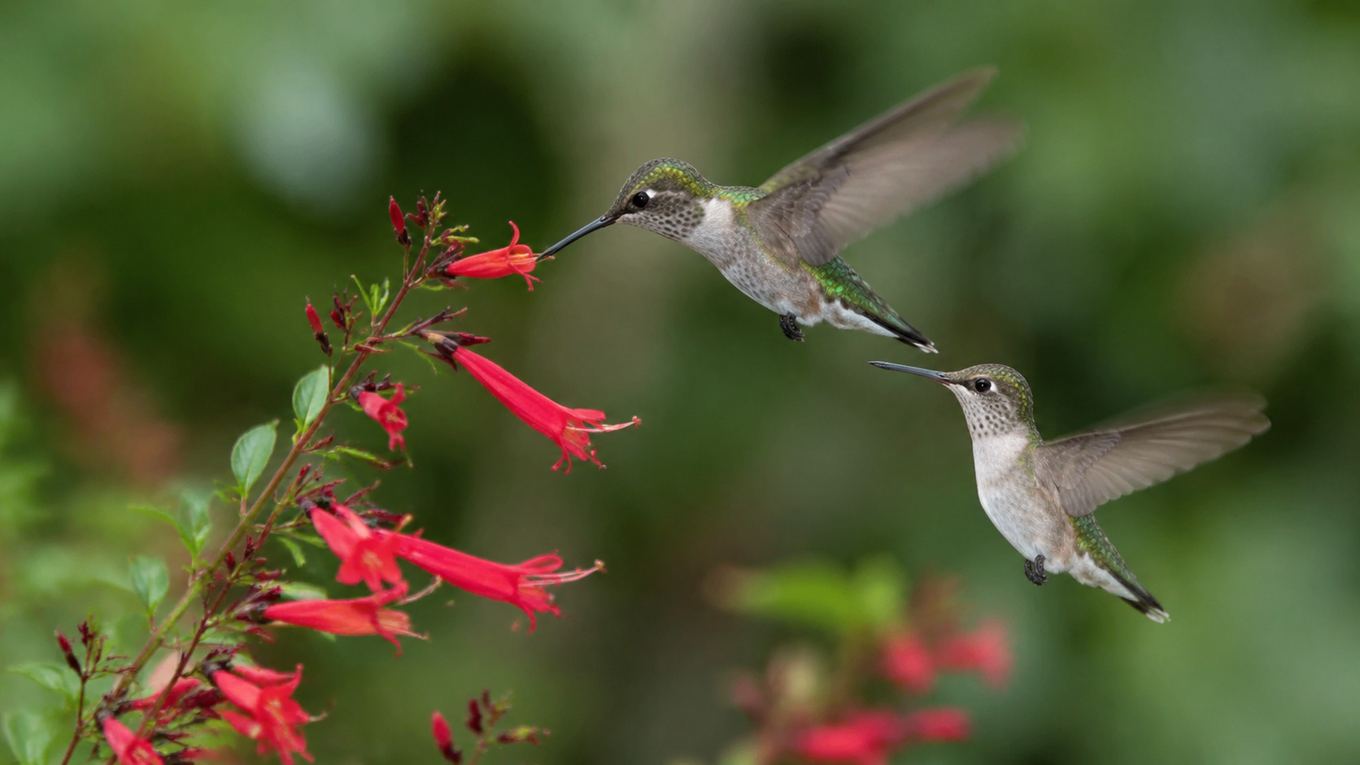
Feeders alone will draw hummingbirds, but tubular, red or orange flowers extend the attraction well beyond feeder range and give them a natural backup food source. Trumpet honeysuckle, bee balm, and cardinal flower are reliable performers — see our full guide to bird-attracting plants for the complete list and how to layer them into your yard.
Get the nectar and cleaning routine right first — it matters more to hummingbird health than any other single choice you’ll make, feeder brand included.