 Folk
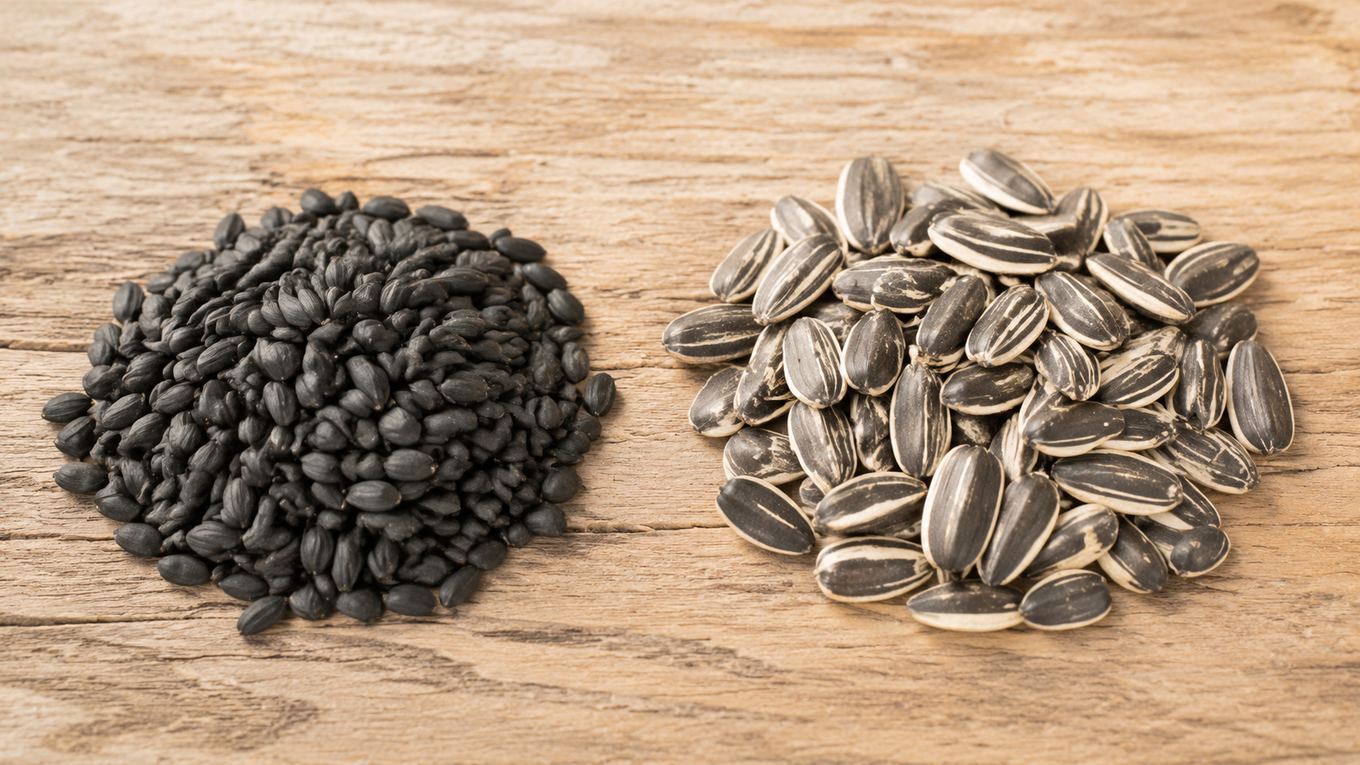
FolkBoth are sunflower seed, both feed most of the same birds, and yet the two aren’t interchangeable — the shell is the whole story. One cracks open with almost no effort from a small bird’s bill; the other takes real strength, and that single difference quietly decides who shows up at your feeder.
The Core Difference: Shell Thickness
Black oil sunflower has a thin, easy-to-crack shell and a higher meat-to-shell ratio, plus more oil content per seed — more calories delivered for less effort spent cracking it open. Striped sunflower (sometimes called “grey stripe”) has a noticeably thicker, tougher shell and a lower oil content by comparison.
- Black oil: thin shell, high oil content, easiest seed for small-billed birds to handle
- Striped: thick shell, lower oil content, needs a stronger bill to crack open at all
Which Birds Prefer Which
- Black oil sunflower attracts: chickadees, finches, cardinals, nuthatches, titmice, and nearly every other feeder bird — it’s the closest thing to a one-size-fits-all seed
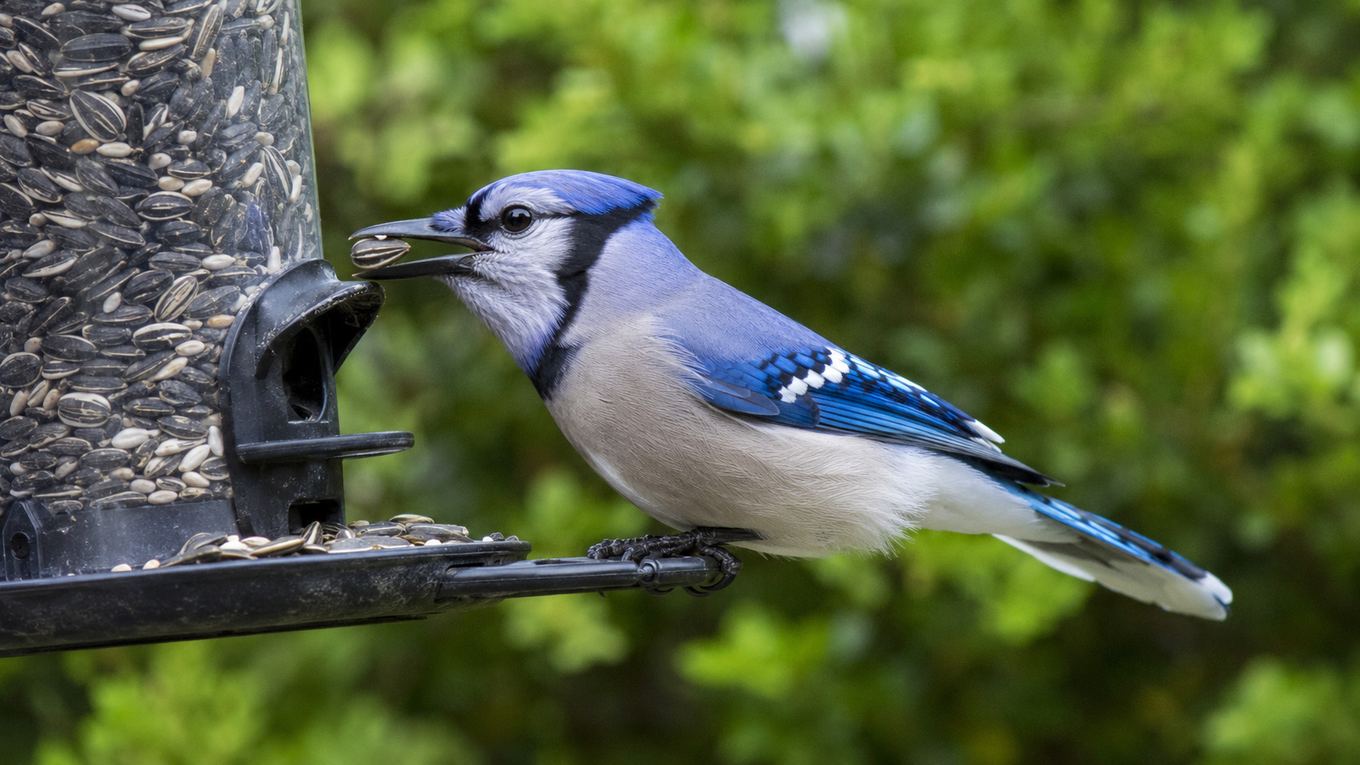
- Striped sunflower attracts: larger, stronger-billed birds like blue jays and evening grosbeaks, which handle the tough shell without trouble
Example: a bag of black oil sunflower seed for general backyard feeding
The Nuisance-Bird Angle
Striped sunflower’s thick shell isn’t just a minor inconvenience for small birds — it meaningfully slows down house sparrows and starlings, two species that often dominate feeders meant for other birds. It won’t stop them outright, but it tilts the odds toward birds with the bill strength to handle it, which is worth knowing if aggressive flocks are a recurring problem.
Side-by-Side Comparison
| Trait | Black oil sunflower | Striped sunflower |
|---|---|---|
| Shell thickness | Thin | Thick |
| Oil/calorie content | Higher | Lower |
| Easiest for | Small-billed birds (chickadees, finches) | Larger-billed birds (jays, grosbeaks) |
| Effect on sparrows/starlings | Little to none | Somewhat slows them down |
| Best all-purpose choice | Yes | No — more of a specialty seed |
Which One Should You Buy?
- Default to black oil sunflower for a first feeder — it draws the widest range of species and requires the least guesswork.
- Add striped sunflower as a second option only if you’re specifically trying to favor jays or grosbeaks over smaller, more common visitors.
- Don’t expect striped sunflower to solve a serious sparrow or starling problem on its own — pair it with feeder placement and type changes covered in our feeder types guide.
- If cost matters, black oil sunflower is usually the better value too, since its thinner shell means less waste per pound purchased.
For how sunflower seed fits alongside everything else you might feed, see our complete guide to bird seed and food types.