 Folk
Folk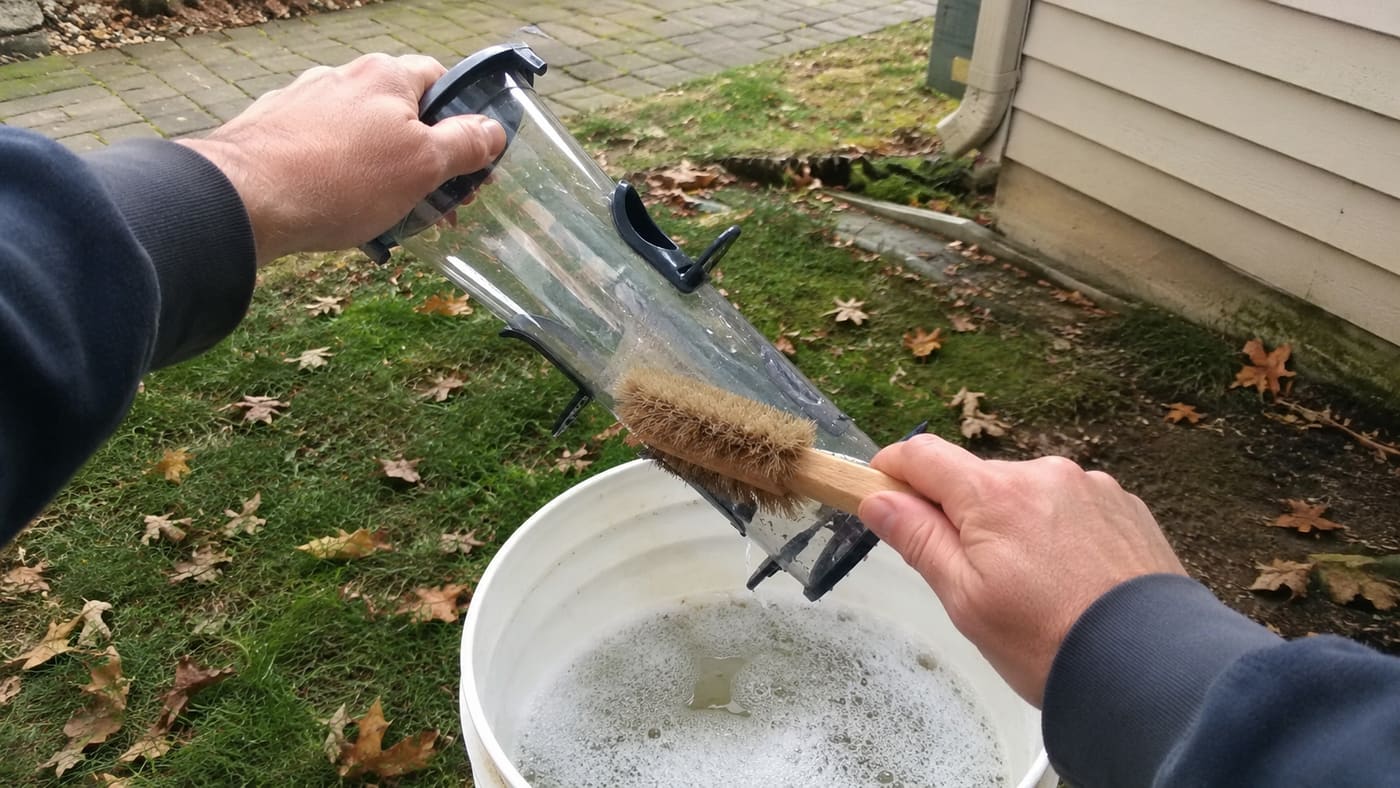
There’s a specific morning every year when the light changes just enough that I notice it before I notice the temperature. It happened again last week — nothing dramatic, just a slightly longer shadow off the fence and a breeze that had a little more edge to it than the day before. That’s usually my signal to stop putting off the feeder maintenance I’ve been ignoring since June.
The first thing I do, every year, is take everything down and actually wash it — not rinse, wash, with the brush and a mild bleach solution I mix in an old bucket I keep just for this. Summer is hard on feeders in a way that’s easy to underestimate. Humidity plus weeks of birds eating in the same spot means mold and bacteria build up in the ports and on the perches whether the feeder looks dirty or not. I used to skip this because everything still looked fine from the kitchen window. It doesn’t look fine up close.
The seed mix is the second thing to change. I run a cheaper, lighter mix through summer because there’s more natural food around and the traffic is more about variety than volume. Once fall starts, I switch to something heavier in black oil sunflower and add a suet cage back into rotation, since the birds that are about to deal with a real winter need the fat content more than the filler. It’s a small swap, but I noticed a real difference in who showed up within about a week of making it last year.
Third — and this is the one I almost forgot about entirely the first two years I did this — is checking the pole and hooks themselves. A summer of wind and the occasional overenthusiastic squirrel loosens things in ways you don’t notice until a feeder actually comes down. I found one hook this year that had worked its way to maybe a quarter-turn from falling off entirely. Would not have wanted to discover that after the wind picked up in October.
The one thing I’m still debating is whether to add a heated bath before the first real cold snap or wait until I actually need one. Every year I tell myself I’ll get ahead of it, and every year I end up ordering one in a mild panic during the first freeze. Maybe this is the year that changes. Probably not.
If you want the fuller version of this — the actual reasoning behind what to switch and when, not just my particular yard’s version of it — the fall bird feeding prep guide goes through it properly. I wrote most of this post after re-reading it myself, if I’m honest.
What does fall prep look like in your yard? I’d like to know if I’m missing something obvious.
Comments
Loading comments…
Leave a comment