 Folk
Folk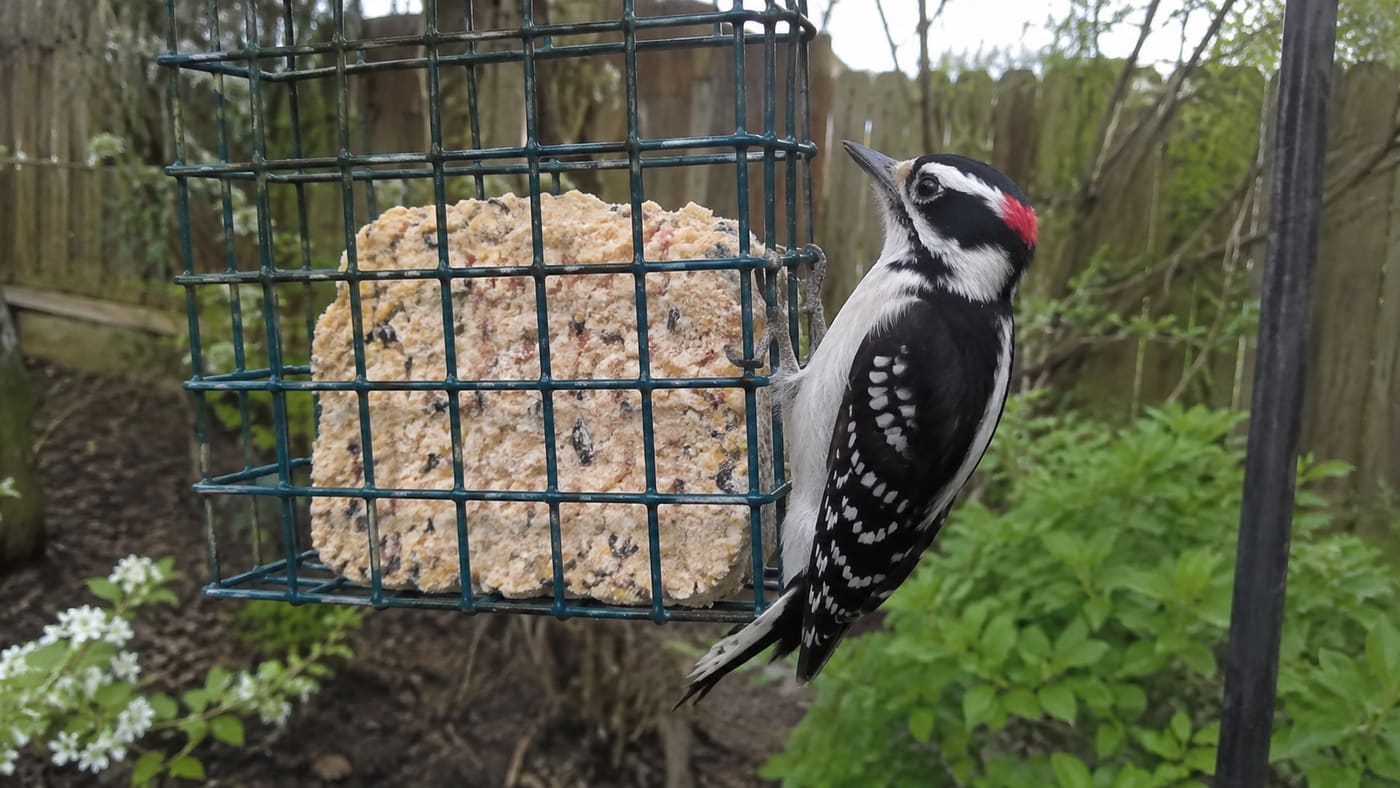
I bought the suet cage almost as an afterthought — it was cheap, it was next to the seed I was actually there for, and every list of “what to put in your yard” I’d read mentioned it in passing. I hung it on the same pole as everything else, filled it with a plain suet cake, and by month three had mostly stopped expecting anything to use it. The chickadees would occasionally land on it and leave almost immediately, like they were checking a mailbox out of habit rather than actual interest.
Then one afternoon in late spring, I heard something before I saw it — a sharp, irregular knocking that didn’t match any sound I’d been hearing from the feeders. I looked out and there was a downy woodpecker on the suet cage, working at it with a kind of focus that was completely different from how the smaller birds treated every other feeder in the yard. No darting in and out, no glancing around between bites. It just worked.
I did some reading afterward and felt a little foolish. Suet is essentially built for woodpeckers — it’s dense, it’s fat-heavy, and the vertical cage format actually matches how they already forage on tree trunks, clinging and bracing rather than perching flat the way a finch or a sparrow does. The chickadees weren’t uninterested exactly; they just weren’t the intended audience. I’d hung the right feeder and been mildly disappointed that the wrong birds weren’t using it more.
Since then, the same woodpecker — or one that looks enough like it that I’ve decided it’s the same one — comes by most days, usually mid-morning, and usually alone. I’ve started noticing details I never would have paid attention to before: the way it braces its tail against the pole for support, the stiff, almost mechanical way it moves compared to the birds around it, the small red patch at the back of the head that I’m fairly sure means it’s a male, based on some quick searching I did that I will not pretend was more rigorous than it was.
It’s changed how I think about the rest of the setup, too. I’d been treating every feeder as competing for the same audience, when really each one is doing a specific job for a specific set of birds, and the “quiet” ones aren’t necessarily failing — they might just be waiting for the right visitor. I’ve since added a second suet cage on the other side of the yard, partly hoping for more variety, partly because I liked watching this one enough that I wanted a second chance at it somewhere I could see from the other window too.
If you’ve got a suet feeder that seems to be doing nothing, the guide to suet types and seasons is worth a read before you give up on it — there’s more to picking the right suet than I assumed when I grabbed the cheapest cake on the shelf.
Still working on getting a clean shot of that red patch up close — the one at the top of this post is the best I’ve managed so far.
Comments
Loading comments…
Leave a comment