 Folk
Folk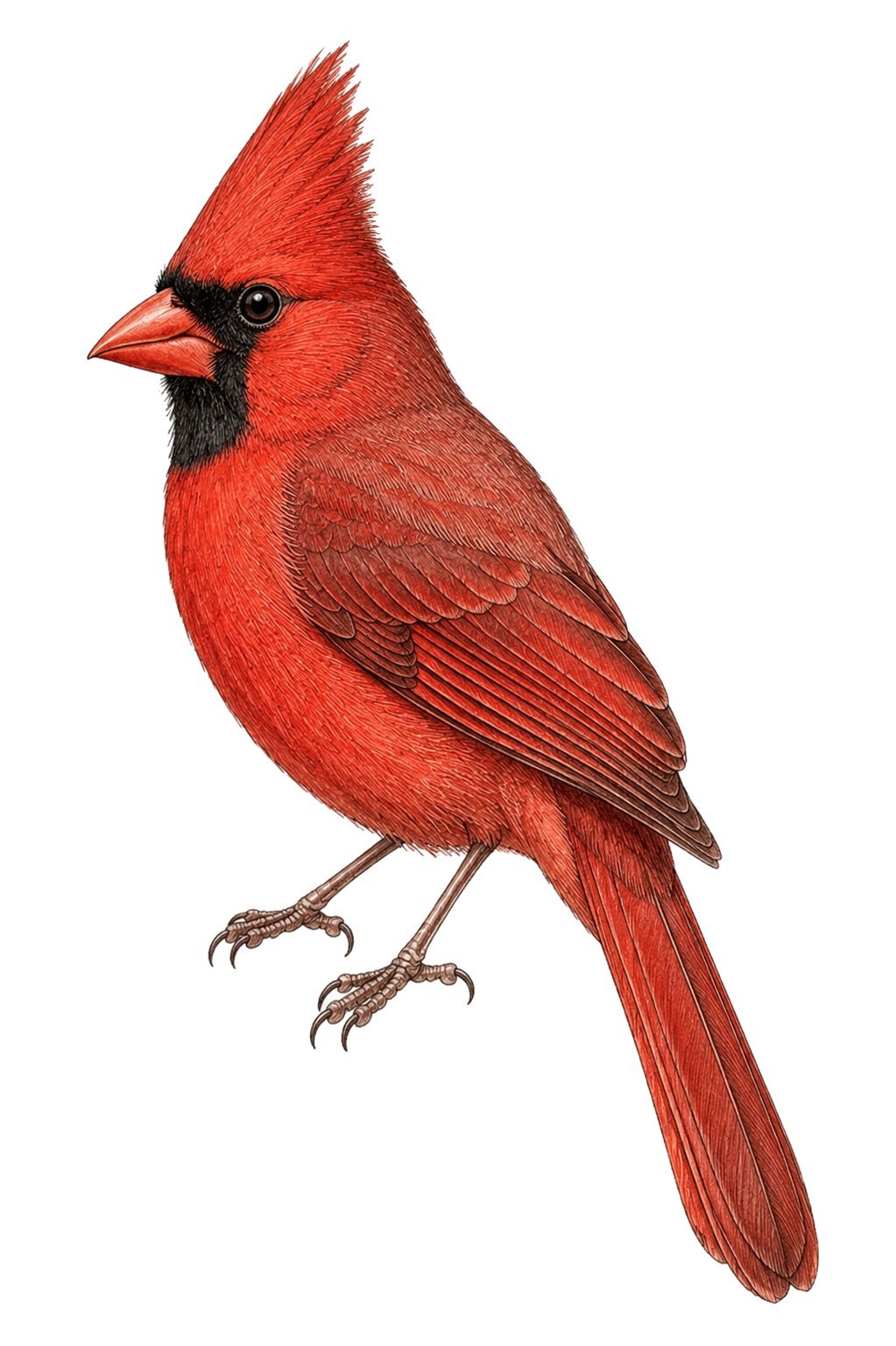
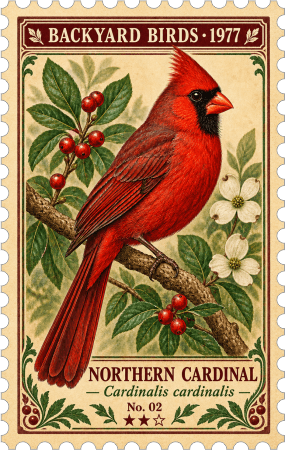
Northern Cardinal
Cardinalis cardinalis
One of the most recognizable backyard birds in the eastern United States — the brilliant red male and the rusty-toned female visit feeders year-round, preferring sunflower and safflower seed.
Attracting Northern Cardinal
Northern Cardinals are reliable, regular feeder visitors that reward patience. They prefer sheltered feeders and often visit at dawn and dusk when other birds have quieted down.
Fill a Hopper or Platform Feeder with Sunflower and Safflower
Black oil sunflower and safflower are the top choices for cardinals. A hopper feeder with a tray catch below keeps seed fresh and accessible.
Position Near Dense Shrubs or Trees
Cardinals are cautious and prefer feeders within 10–15 feet of cover they can retreat to quickly. A feeder in the open, away from any shelter, will see far less cardinal activity.
Add a Second Feeder at a Lower Height
Cardinals often prefer to feed lower than many other species. A platform feeder at 4–5 feet — or even a low tray with safflower — attracts pairs that avoid busier elevated feeders.
Best Foods for Northern Cardinal
- Black oil sunflowerThin shell that cardinals crack easily with their thick billsBest choice
- SafflowerBitter-tasting white seed preferred by cardinals; often avoided by squirrels and house sparrowsBest choice
- White milletSmall seeds taken from platforms and the ground; liked by females especiallyGood
- Cracked cornOccasionally taken from the ground or a low platform in winterOccasional
Skip the seed mix
Northern Cardinals do not typically eat nyjer/thistle, or bread. Standard backyard seed blends will not do much to attract them.
Ideal Feeder Setup
Best choice
A hopper feeder with a tray, or a platform feeder
Cardinals have thick conical bills built for cracking hard seeds — they do best at feeders with enough room to pick up and maneuver a whole seed before cracking it.
- Wide perch or tray surface for maneuvering seeds
- Positioned within 10–15 feet of shrubs or trees
- Roof or cover to keep seed dry
- At least 4–5 feet off the ground
- Away from feeders dominated by larger aggressive birds
- Easy to clean to prevent seed buildup


Make Your Yard Bird-Friendly
Do
- Plant native evergreen shrubs (holly, juniper, yew) for winter cover — cardinals roost in dense conifers
- Offer safflower if house sparrows or squirrels are monopolizing your sunflower feeder — safflower is often left alone by both
- Keep feeders stocked at dawn and dusk — cardinal activity peaks at the edges of the day
- Add a heated bird bath in winter — cardinals visit open water sources reliably when other water is frozen
Avoid
- Placing the feeder in a completely exposed location — cardinals need nearby cover to feel safe
- Offering nyjer seed as a main food — cardinals have thick bills that cannot fit nyjer feeder ports
- Letting feeders go empty for extended periods — cardinals are creatures of habit and will reroute to a neighbor's yard
- Positioning feeders near windows without collision protection — cardinals are among the most common window-strike victims
When You'll See Them
Northern Cardinals are year-round residents in the eastern United States and do not migrate. They are a feeder staple in every season, but are often most visible in winter when bare trees make their vivid color stand out sharply. Males begin singing in late January or February, well before most other songbirds.