 Folk
Folk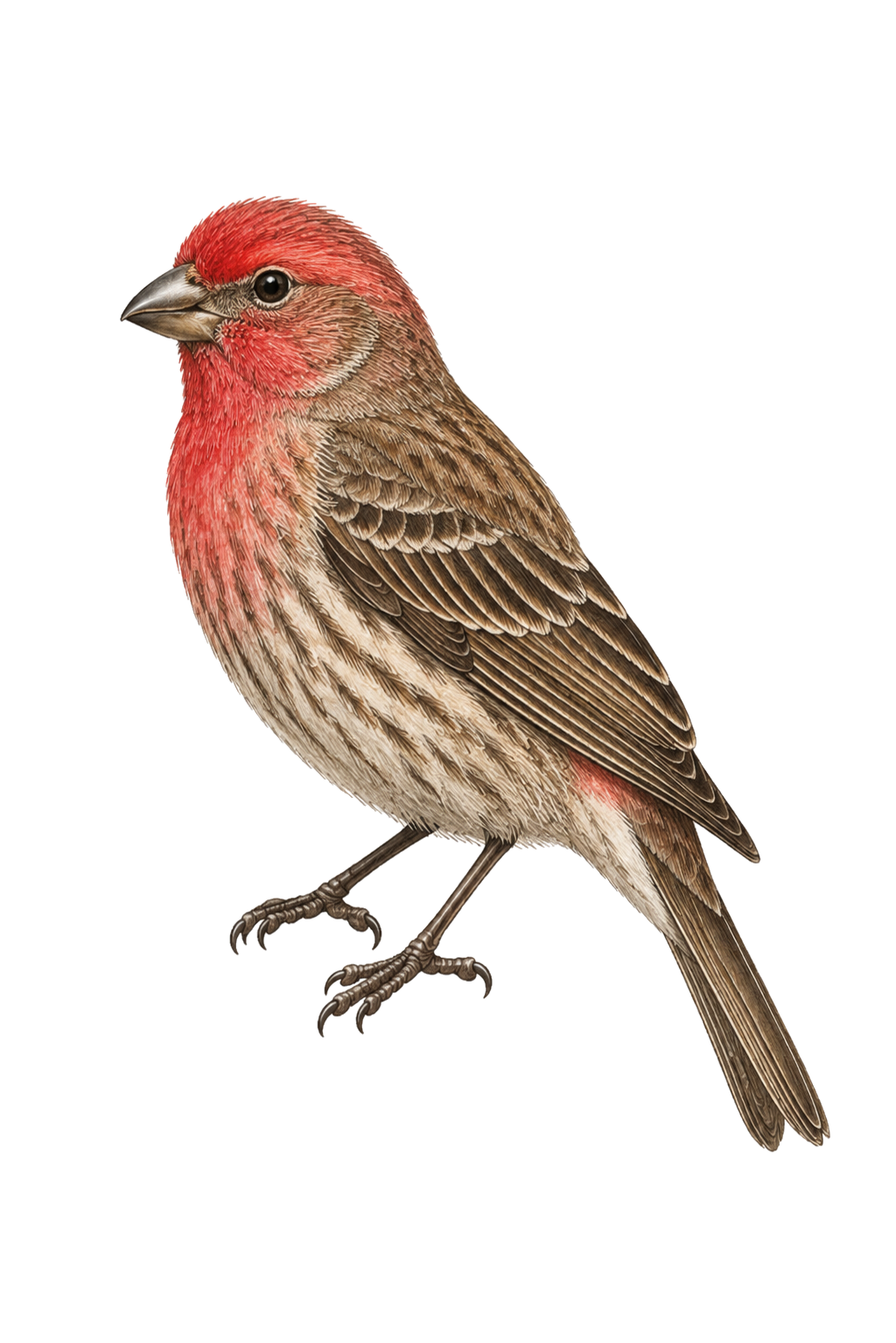
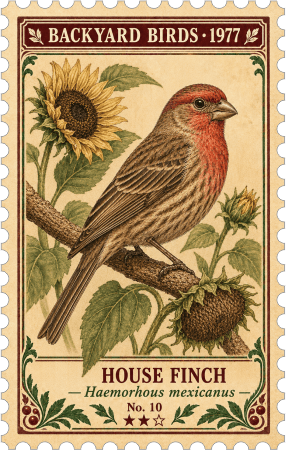
House Finch
Haemorhous mexicanus
A sociable, cheerful finch that visits feeders in flocks and shows a preference for black oil sunflower and nyjer seed.
Attracting House Finch
House Finches are among the easiest birds to attract — they are social, vocal, and not particularly picky. A tube feeder with black oil sunflower seed is usually enough to bring them in within a day or two.
Fill a Tube Feeder with Black Oil Sunflower
Black oil sunflower seed is the primary draw for House Finches. A standard tube feeder with multiple ports lets several birds feed at once.
Add a Nyjer Feeder
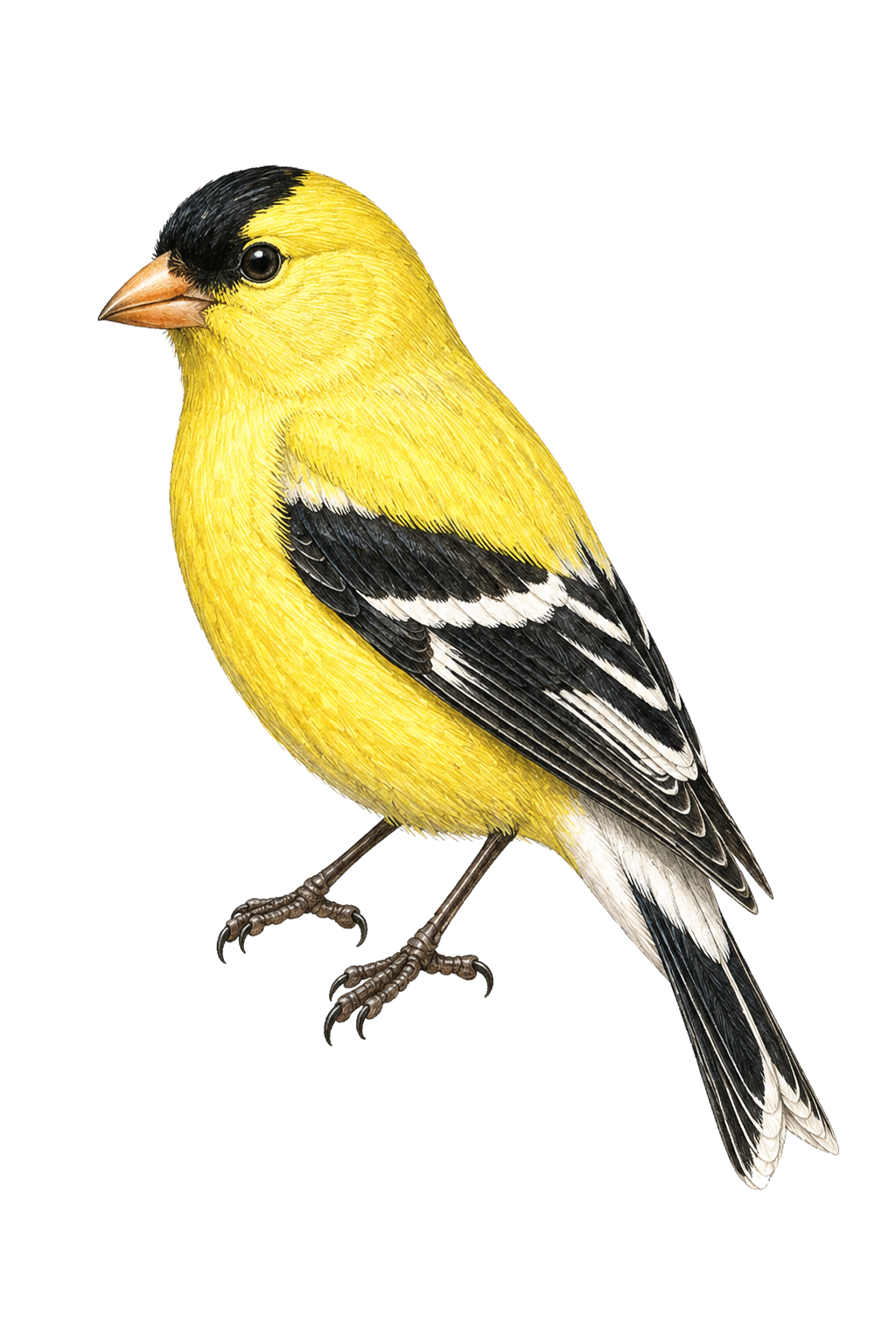
A secondary nyjer sock or tube feeder brings House Finches as well as American Goldfinches — both species often feed side by side.
Try Safflower Seed
Safflower has a slightly bitter taste that House Sparrows often avoid, making it a good option if you want to attract House Finches with less competition at the feeder.
Best Foods for House Finch
- Black oil sunflowerThe all-purpose staple; House Finches hull seeds quickly and efficientlyBest choice
- Nyjer (thistle)Fine black seed from a dedicated sock or fine-port tube feederExcellent
- SafflowerWhite seed with a bitter coat; preferred by finches, often avoided by house sparrowsExcellent
- White milletOccasionally eaten from platform feeders; not a primary choiceOccasional
Skip the seed mix
House Finchs do not typically eat cracked corn, or suet. Standard backyard seed blends will not do much to attract them.
Ideal Feeder Setup
Best choice
A tube feeder with multiple ports
House Finches feed in groups — a feeder with 4–6 ports lets several birds eat at once, which is how they naturally prefer to feed.
- Multiple feeding ports (4–6)
- Perches at each port
- Positioned at mid-height (5–7 feet)
- Near shrubs or trees for shelter
- Protected from rain to keep seed dry
- Easy to disassemble for cleaning


Make Your Yard Bird-Friendly
Do
- Keep two or three tube feeders — House Finches form flocks and quickly empty a single feeder
- Watch for eye disease (mycoplasmal conjunctivitis) — infected birds have swollen, crusty eyes; remove and clean the feeder immediately if you see it
- Plant native fruiting shrubs like mulberry or pyracantha — House Finches eat berries as well as seeds
- Keep a shallow bird bath filled — finches are frequent bathers
Avoid
- Using feeders with very short or no perches — House Finches need to grip while feeding
- Neglecting to clean tube feeders monthly — mold and bacteria build up in the ports quickly
- Offering cracked corn or suet as a main food — House Finches rarely eat either
- Positioning the feeder in a completely exposed location with no nearby shrubs for shelter
When You'll See Them
House Finches are year-round residents across most of North America and are active at feeders in every season. Flocks are largest in fall and winter when birds that bred farther north join local populations. Males begin their cheerful, rambling song as early as January — a reliable early sign of approaching spring.