 Folk
Folk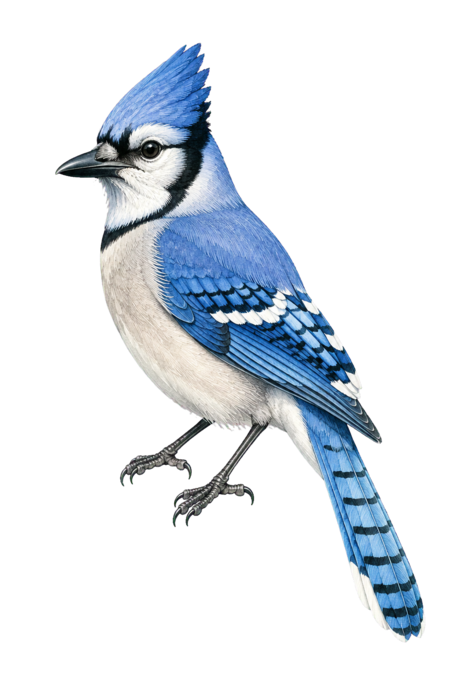
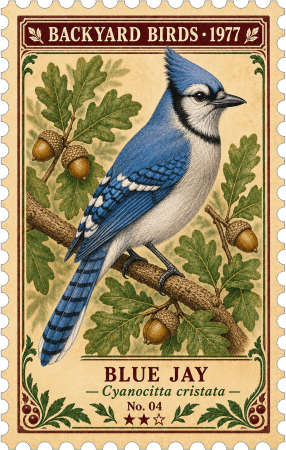
Blue Jay
Cyanocitta cristata
A striking, intelligent bird with a loud call and a bold personality — one of the most visible feeder visitors in eastern yards.
Attracting Blue Jay
Blue Jays are confident and easy to attract, but they can dominate a feeder. The key is offering the foods they love — peanuts above all — while giving smaller birds a way to feed separately.
Put Out Peanuts in the Shell
Peanuts in the shell are irresistible to Blue Jays. A platform feeder or open tray filled with whole peanuts will draw them within hours.
Use a Large, Open Feeder
Blue Jays are big birds and prefer ample perch space. A wide platform or hopper feeder accommodates them without the scramble of a cramped tube.
Offer Cracked Corn and Sunflower Together
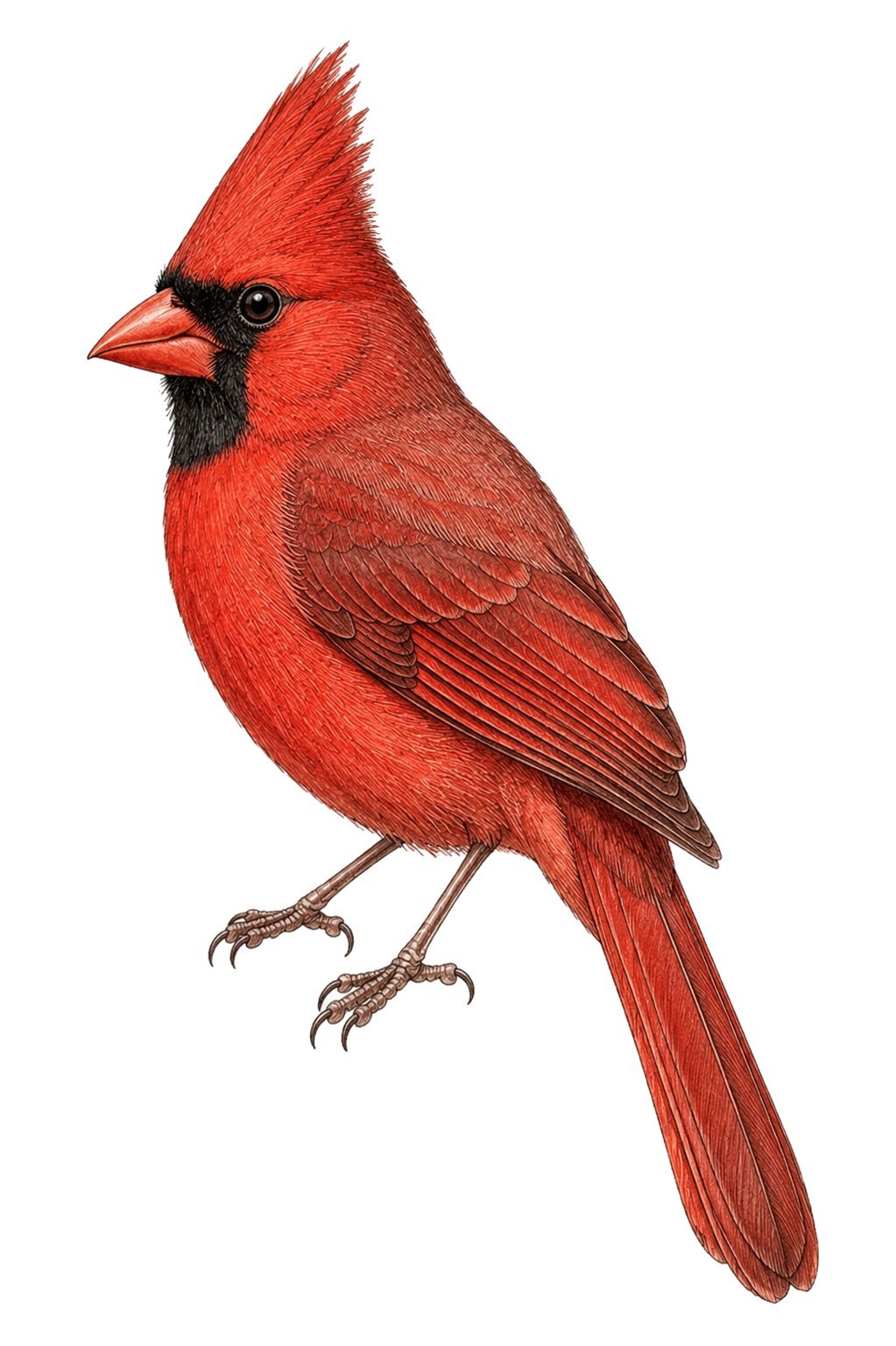
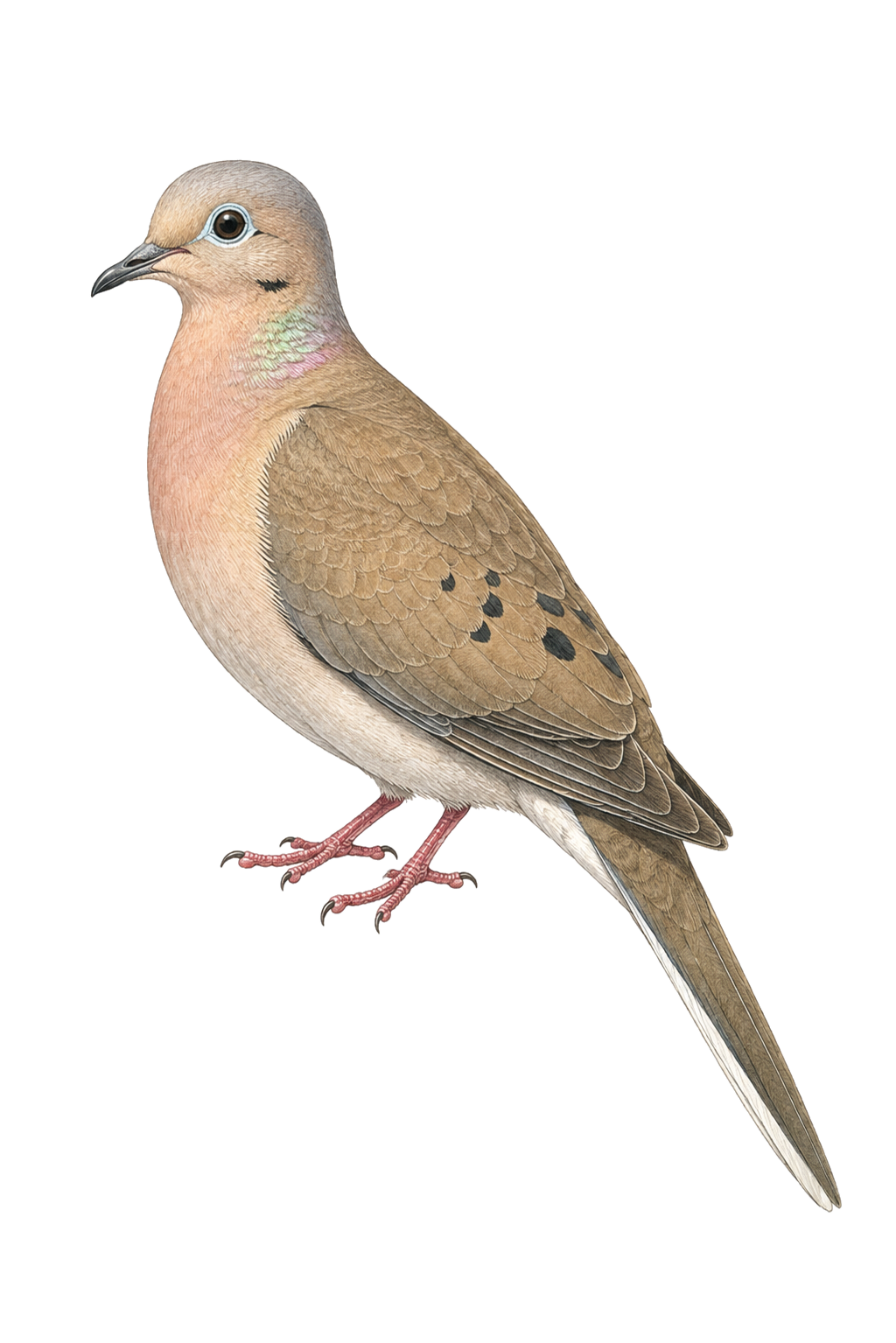
A mix of cracked corn, peanuts, and black oil sunflower on a platform covers Blue Jay preferences while also drawing cardinals and doves.
Best Foods for Blue Jay
- Peanuts in the shellWhole shell-on peanuts on a platform; jays carry multiple in their throat pouchBest choice
- Cracked cornCoarse cracked corn spread on a platform or the ground below a feederExcellent
- Black oil sunflowerHulled by the jay on the spot or taken away whole to cacheExcellent
- SuetOccasionally visited, especially in cold weatherOccasional
Skip the seed mix
Blue Jays do not typically eat nyjer/thistle. Standard backyard seed blends will not do much to attract them.
Ideal Feeder Setup
Best choice
A wide platform or hopper feeder
Blue Jays need room to land and maneuver. A cramped tube feeder frustrates them; a broad, stable platform lets them feed comfortably and look around.
- Wide feeding surface (at least 12 inches across)
- Stable — Blue Jays land with force
- Roof or cover to protect food from rain
- Positioned at a clear sightline
- Ground-level tray is also effective for peanuts
- Separate from feeders used by smaller songbirds


Make Your Yard Bird-Friendly
Do
- Plant native oaks — Blue Jays cache acorns and will return reliably to a yard with a steady supply
- Offer peanuts on a dedicated platform to keep jays occupied away from other feeders
- Keep a large shallow bird bath — Blue Jays bathe vigorously and visit water daily
- Add a second feeder with smaller seeds for other species so jays don't monopolize everything
Avoid
- Placing peanuts in a small tube feeder — jays won't fit and will quickly give up
- Mixing peanuts into a shared feeder where jays will displace all other birds
- Feeding on the lawn in areas frequented by cats — Blue Jays spend time on the ground
- Offering nyjer seed — jays have no interest in it and it only clutters a multi-seed blend
When You'll See Them
Blue Jays are year-round residents in the eastern United States and are especially visible at feeders in fall and winter. In autumn, jays are highly active, caching acorns and seeds across a wide area. Some northern populations shift south in fall, which can produce a brief surge in numbers at yard feeders.