 Folk
Folk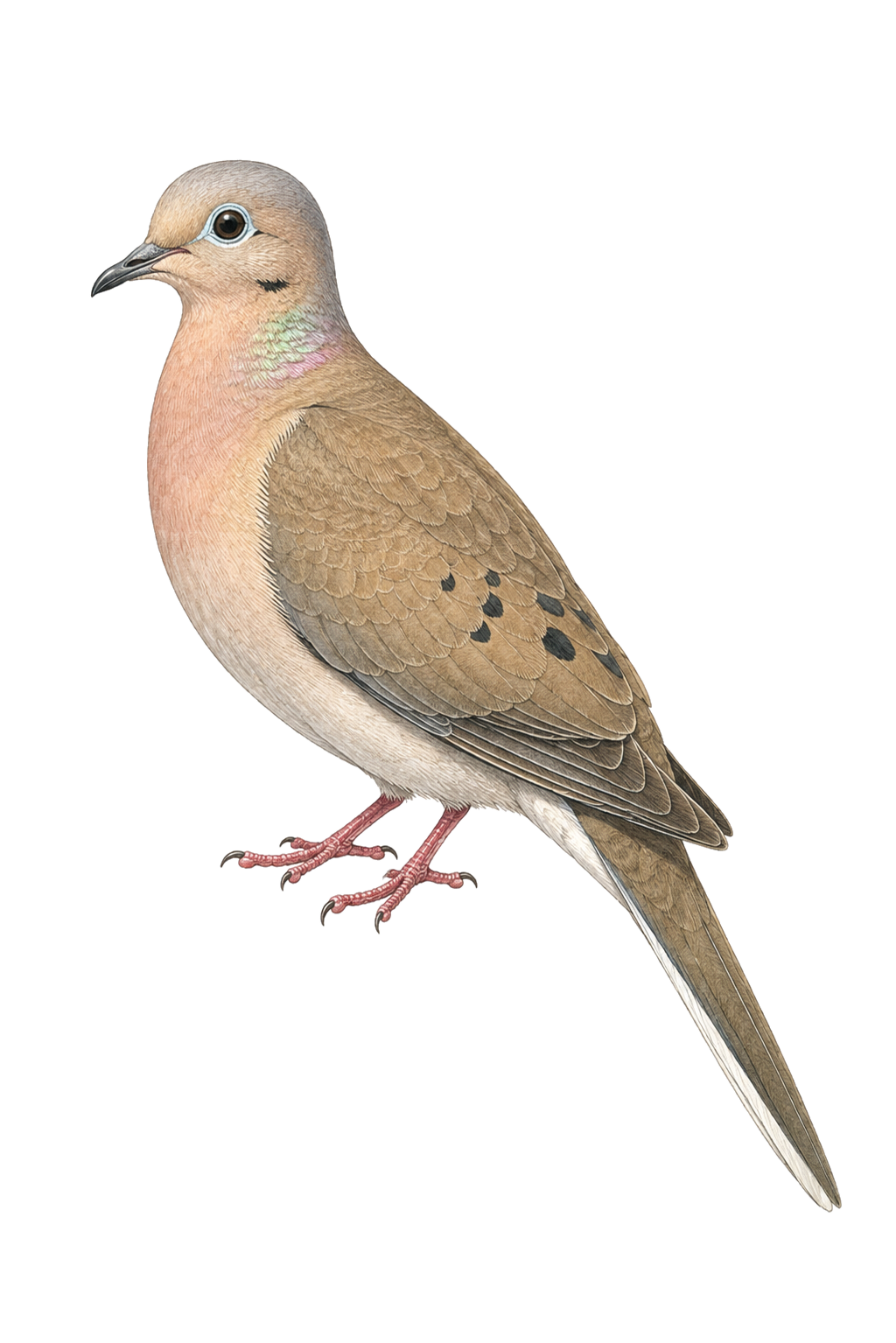
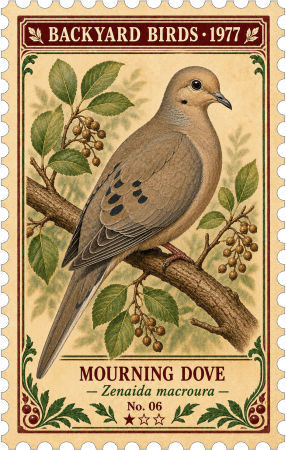
Mourning Dove
Zenaida macroura
A gentle, ground-foraging dove that visits feeders in pairs and small groups, preferring scattered seed on low platforms or the bare ground.
Attracting Mourning Dove
Mourning Doves are calm, unhurried birds that feed almost entirely on the ground or from low platform feeders. They need space to spread their wings and a clean surface free of deep debris.
Scatter Seed Directly on the Ground
Mourning Doves are most comfortable picking up seed from a flat, bare surface. Scatter white millet and cracked corn on a clean patch of ground beneath an existing feeder.
Use a Wide Platform Feeder
A broad ground-level or low-mounted platform feeder with open sides lets doves walk around while feeding — they prefer not to be cramped on a small surface.
Keep the Feeding Area Open
Doves feel exposed while on the ground and will avoid areas that feel enclosed. Place food in an open spot with a clear view in all directions.
Best Foods for Mourning Dove
- White milletThe top preference; doves pick up small seeds from the ground one at a timeBest choice
- Black oil sunflowerEaten when already cracked or hulled; doves can hull thin-shelled seeds slowlyExcellent
- Cracked cornBroken kernels taken quickly from the ground or a wide platformExcellent
- SafflowerOccasionally eaten when mixed with millet or sunflowerOccasional
Skip the seed mix
Mourning Doves do not typically eat nyjer/thistle, or suet. Standard backyard seed blends will not do much to attract them.
Ideal Feeder Setup
Best choice
A wide ground-level platform or scattered ground feeding
Mourning Doves walk while feeding and need ample space. A wide flat tray at or near ground level suits them far better than a narrow tube or hopper feeder.
- Wide, flat feeding surface (at least 14–16 inches)
- At or near ground level
- Open sides — doves dislike feeling trapped
- Clear sightlines in multiple directions
- Clean surface — doves avoid piles of accumulated wet hulls
- Positioned away from dense cover where predators could hide


Make Your Yard Bird-Friendly
Do
- Rake and clean the ground feeding area weekly — doves pick through seed on clean surfaces much more readily
- Provide a wide, shallow bird bath — Mourning Doves are continuous-sipping drinkers and visit water frequently
- Plant native grasses and weeds that produce small seeds — doves forage for natural seeds as readily as feeder seed
- Scatter seed in more than one spot to reduce crowding among birds
Avoid
- Using small tube feeders — doves cannot perch on them and will give up quickly
- Letting seed accumulate and mold on wet ground — doves prefer clean surfaces
- Positioning the feeder under dense cover or near walls — doves are wary of enclosed spaces
- Offering suet, nyjer, or nectar — doves eat seeds almost exclusively
When You'll See Them
Mourning Doves are year-round residents across most of the United States and are one of the most widely distributed birds in North America. They are visible at feeders in all four seasons, though some northern populations shift south in winter. Pairs form in late winter and may raise three or four broods in a single season.