 Folk
Folk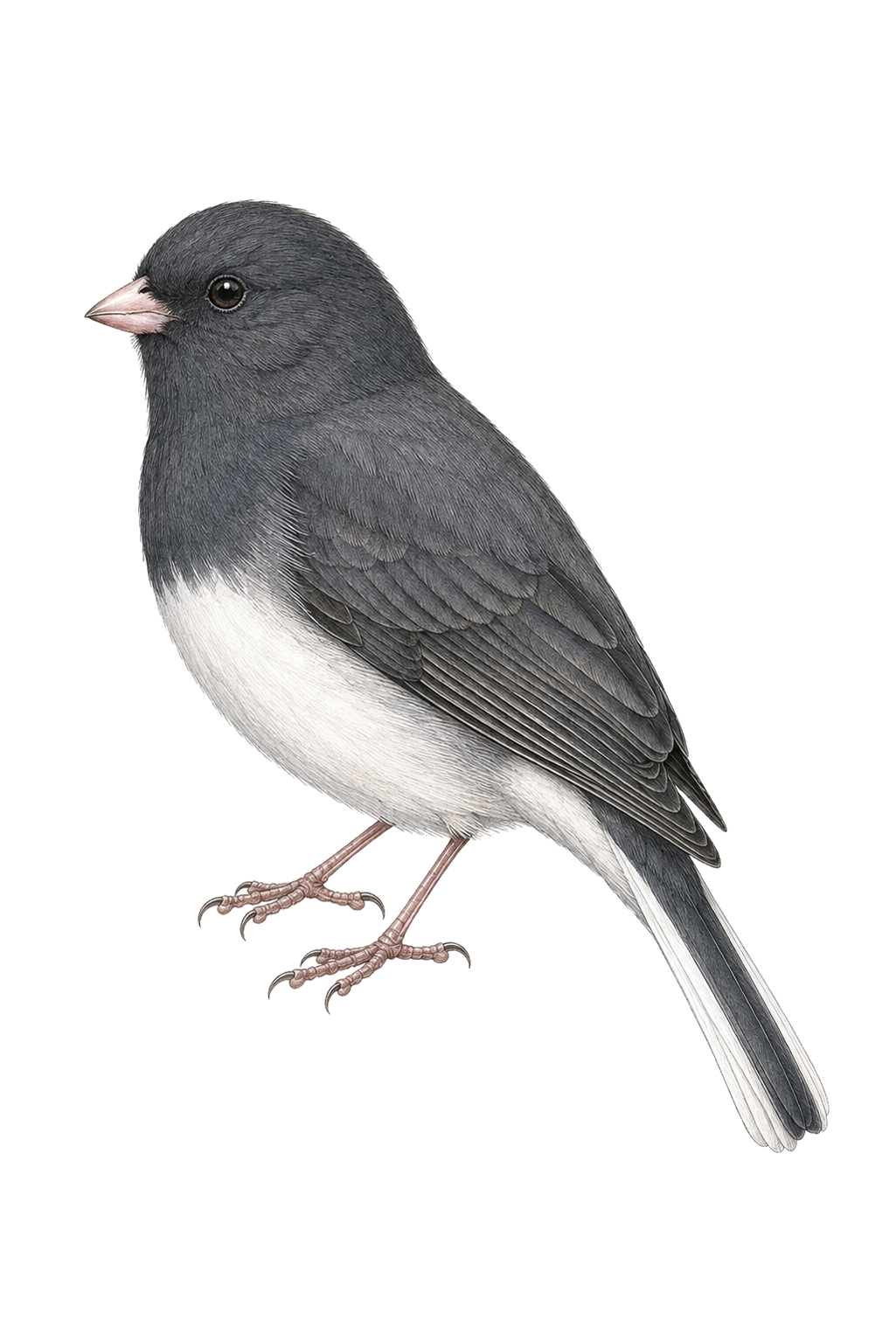
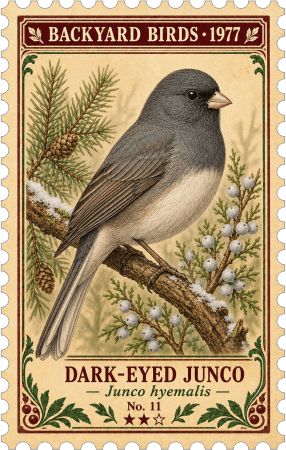
Dark-eyed Junco
Junco hyemalis
A clean-looking winter visitor that arrives with the first cold weather and feeds almost exclusively on the ground beneath feeders.
Attracting Dark-eyed Junco
Juncos are ground feeders that thrive on spilled seed below your main feeders. The easiest way to attract them is to let millet and sunflower fall to the ground — or offer a low platform tray at ground level.
Let Seed Fall to the Ground
Place your regular feeder over a bare patch of soil or short grass. Juncos feed almost exclusively on the scattered seed beneath the main feeder.
Add a Low Platform or Ground Tray
A flat tray at or near ground level filled with white millet gives juncos a clean, dedicated feeding spot away from foot traffic.
Keep the Area Raked
Juncos avoid deep litter and wet, moldy seed. Rake the area under your feeder regularly to keep the ground clear and fresh.
Best Foods for Dark-eyed Junco
- White milletSmall round seeds; juncos pick them up from the ground one at a timeBest choice
- Black oil sunflower (hulled)Easier for juncos when pre-cracked or hulled — they struggle with thick whole shellsExcellent
- Cracked cornCoarse pieces picked up quickly; works well mixed with millet on a ground trayGood
- NyjerVery occasionally eaten if it falls near other preferred seedsOccasional
Skip the seed mix
Dark-eyed Juncos do not typically eat suet, or nectar. Standard backyard seed blends will not do much to attract them.
Ideal Feeder Setup
Best choice
A ground tray or low platform feeder
Juncos are dedicated ground feeders and rarely use elevated tube or hopper feeders. A tray close to the ground — or the ground itself — is where they feel safest and most comfortable.
- At or near ground level
- Wide, flat feeding surface
- Positioned under or near an existing elevated feeder
- Clear of deep leaf litter
- Sheltered from wind on at least one side
- Easy to clean and dry between refills


Make Your Yard Bird-Friendly
Do
- Rake under your feeders weekly during winter to keep the ground area clean and inviting
- Offer white millet in a low tray — juncos prefer it strongly over most other seeds
- Leave brush piles near the feeding area — juncos roost and shelter in dense low cover
- Add a shallow heated bird bath for the winter months
Avoid
- Placing food only in elevated tube feeders — juncos almost never use them
- Letting seed accumulate and mold on wet ground — rake and refresh the area regularly
- Using whole, uncracked sunflower seeds — juncos have small bills and struggle with thick shells
- Positioning the feeding area in a wide-open space with no nearby ground cover for shelter
When You'll See Them
Dark-eyed Juncos arrive from their northern breeding grounds in October and depart by April across most of the United States. In the southern states they are a reliable winter sight; at higher elevations in the West some populations remain year-round. Flocks of 10–30 birds are typical throughout winter.