 Folk
Folk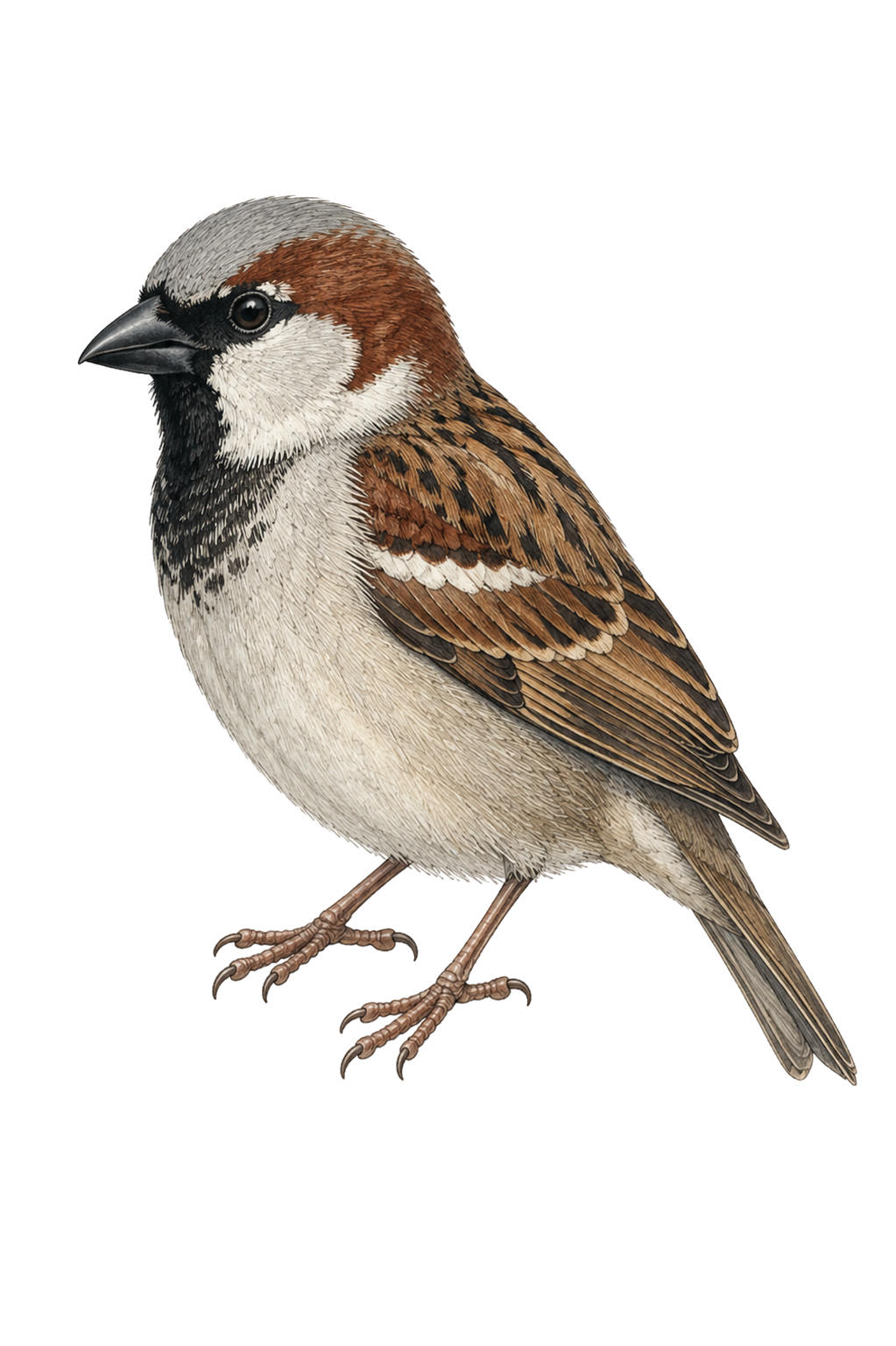
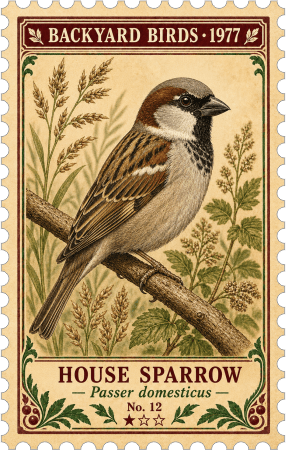
House Sparrow
Passer domesticus
A common, adaptable feeder bird found in almost every yard — social, ground-oriented, and quick to discover any new food source.
Attracting House Sparrow
House Sparrows need very little encouragement — they will find almost any feeder on their own. Offering the right seeds and keeping the feeding area clean is all that is needed.
Offer White Millet
White millet is the top food preference for House Sparrows. Fill a hopper or platform feeder with it and sparrows will arrive quickly.
Allow Ground Feeding
House Sparrows spend most of their time foraging on the ground. Letting seed fall below the main feeder — or placing a low tray — keeps them active and reduces crowding at the main feeder.
Keep the Feeding Area Clean
Rake or sweep beneath your feeders regularly. House Sparrows forage more efficiently on fresh seed on a clean surface than through accumulated hulls and debris.
Best Foods for House Sparrow
- White milletSmall round seeds easily found on the ground or in a platform feederBest choice
- Cracked cornBroken corn kernels mixed with millet on a platform or ground trayExcellent
- Black oil sunflowerHulled or cracked; sparrows struggle with thick-shelled whole seedsGood
- Bread crumbsTaken opportunistically but offers little nutrition; best avoidedOccasional
Skip the seed mix
House Sparrows do not typically eat nyjer/thistle, or safflower. Standard backyard seed blends will not do much to attract them.
Ideal Feeder Setup
Best choice
A hopper or platform feeder with white millet
House Sparrows are comfortable on almost any feeder but prefer broad surfaces with easy access — the same reason they are so at home on wide platform feeders and ground trays.
- Wide feeding surface or open tray
- Low to the ground or ground-level option available
- Sheltered from wind on at least one side
- Positioned near buildings or dense shrubs
- Easy to clean and dry between refills
- Ground area kept clear of moldy accumulated hulls


Make Your Yard Bird-Friendly
Do
- Keep the area under the feeder raked — House Sparrows forage in clean areas and avoid deep litter
- Offer water in a shallow bird bath — sparrows bathe frequently, often in groups
- Use white millet in a separate low tray to keep sparrows occupied and away from feeders for other species
- Be aware that House Sparrows are cavity nesters and may compete with bluebirds for nest boxes
Avoid
- Leaving wet seed and hulls to accumulate under the feeder — mold spreads quickly in warm weather
- Offering bread or table scraps as a regular food — nutritionally poor and attracts pests
- Placing nest boxes near your feeders if you are trying to attract bluebirds or swallows — House Sparrows will compete aggressively
- Using nyjer or safflower as a main seed — house sparrows largely ignore both, so they won't attract sparrows if that's a concern
When You'll See Them
House Sparrows are year-round residents throughout North America and present at feeders in every season. They do not migrate and maintain their flock structure through winter. Numbers are typically highest in fall and winter as the breeding season ends and family groups join together.