 Folk
Folk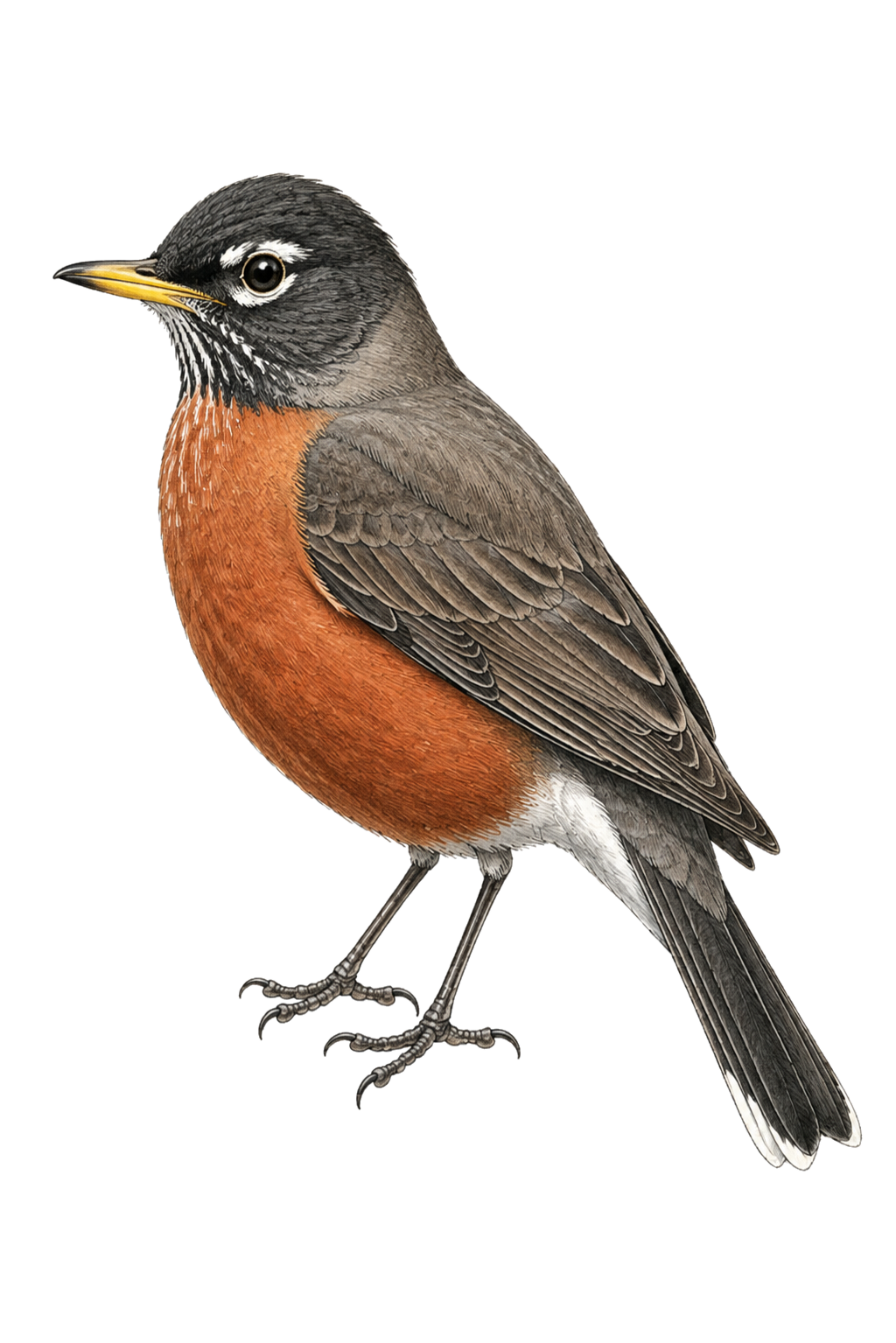
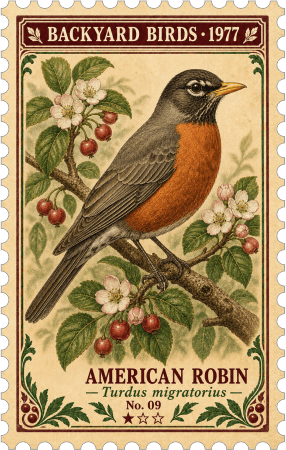
American Robin
Turdus migratorius
A familiar backyard bird that searches lawns for worms and visits open feeders for fruit and mealworms.
Attracting American Robin
Robins rarely visit traditional seed feeders. The easiest way to attract them is to offer an open feeding area, fresh water, and foods that resemble what they naturally find on the ground.
Offer the Right Food
Serve mealworms, chopped fruit, soaked raisins, or small pieces of soft suet.
Use an Open Feeder
Choose a low platform feeder or place the food in a shallow ground tray with a clear view of the surroundings.
Add Fresh Water
A wide, shallow bird bath often attracts robins more reliably than a traditional seed feeder.
Best Foods for American Robin
- MealwormsLive or soaked dried mealworms served in a shallow trayBest choice
- FruitChopped apples, berries, grapes, or soaked raisinsExcellent
- Soft suetCrumbled into small pieces and placed on a platformOccasional
- EarthwormsUsually found naturally on open lawnsNatural food
Skip the seed mix
American Robins do not typically eat black oil sunflower, or nyjer/thistle. Standard backyard seed blends will not do much to attract them.
Ideal Feeder Setup
Best choice
A low, open platform feeder
Robins are ground-feeding birds and feel most comfortable on a broad, stable surface with an unobstructed view.
- Open feeding surface
- Low to the ground
- Clear view around the feeder
- Shallow raised edges
- Easy to clean
- Positioned near a lawn or shrubs


Make Your Yard Bird-Friendly
Do
- Keep part of the lawn open
- Add a wide, shallow bird bath
- Grow native berry-producing plants
- Leave some leaf litter beneath shrubs
- Place food in a visible open area
Avoid
- Using pesticides on the lawn
- Placing food inside enclosed feeders
- Leaving fruit outside until it spoils
- Positioning feeding areas near cat hiding places
When You'll See Them
American Robins can be seen year-round in much of the United States, although their numbers and behavior change with the seasons. In spring and summer they search lawns for invertebrates. During fall and winter they are more likely to gather around fruiting trees and shrubs.