 Folk
Folk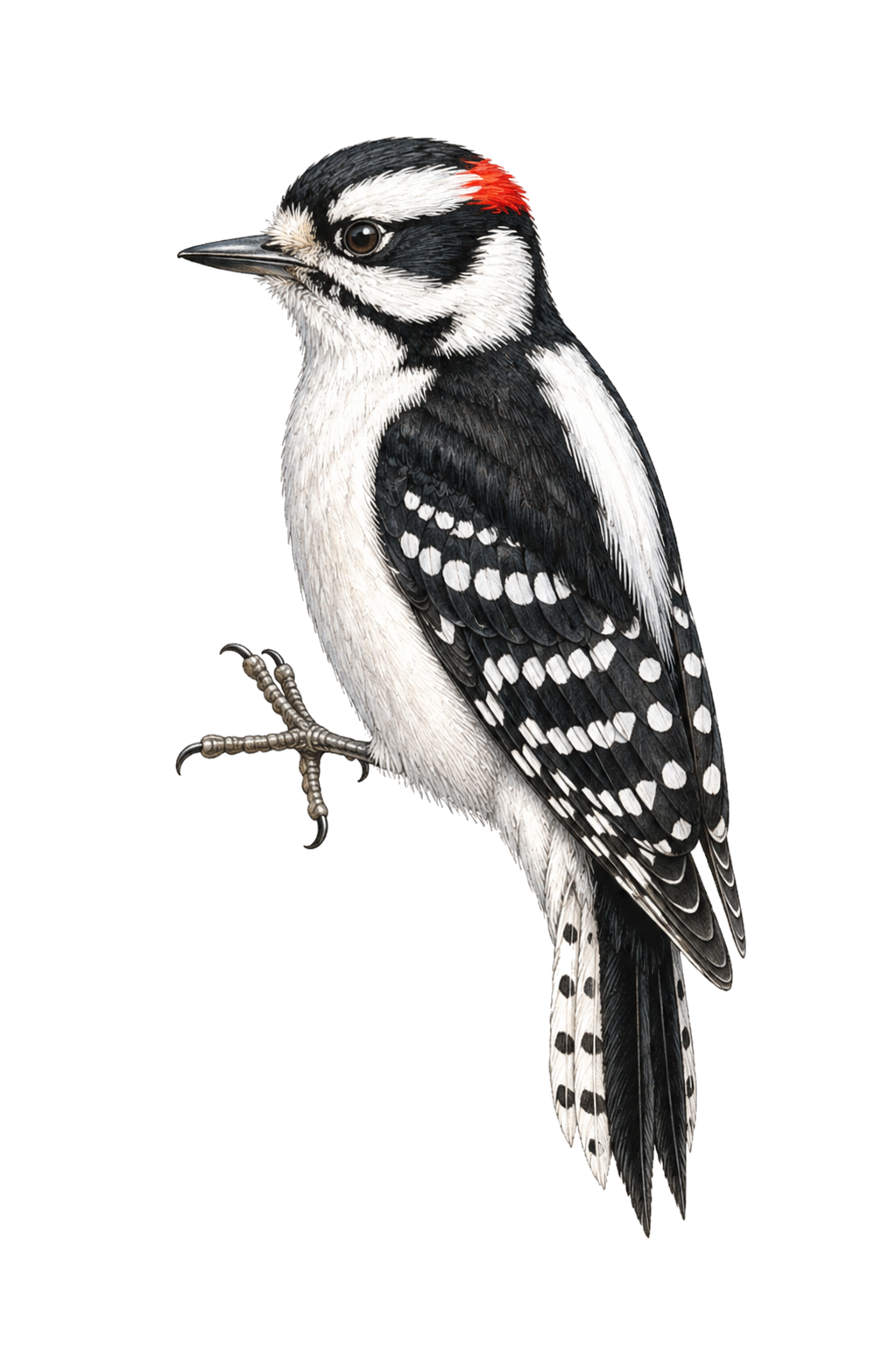
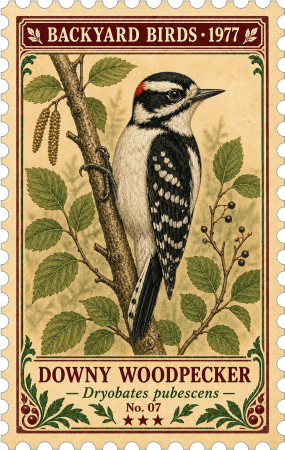
Downy Woodpecker
Dryobates pubescens
The smallest woodpecker in North America — a year-round feeder regular that clings to suet cages and peanut feeders with ease.
Attracting Downy Woodpecker
Downy Woodpeckers are one of the most reliable year-round feeder visitors. Suet is their primary draw; add a peanut feeder nearby and you will see them multiple times per day.
Hang a Wire Suet Cage
A basic wire suet cage with a standard-size suet cake is the single most reliable way to attract Downy Woodpeckers. Position it on or near a tree trunk.
Add a Peanut Mesh Feeder
Whole or halved unsalted peanuts in a mesh feeder give Downies a high-fat supplement they will visit repeatedly, especially in winter.
Position Near a Tree
Downy Woodpeckers move naturally between feeders and nearby tree bark. Mounting your suet cage on a tree or nearby post within a few feet of a large tree makes them feel most at home.
Best Foods for Downy Woodpecker
- SuetRendered suet cake in a wire cage; high-fat and energy-denseBest choice
- Peanuts (unsalted)Whole or halved peanuts in a mesh or peanut-specific feederBest choice
- Black oil sunflowerSeeds taken from a tube or hopper feeder between suet visitsGood
- Peanut butter (plain)Smeared into tree bark crevices or spread on a log feederGood
Skip the seed mix
Downy Woodpeckers do not typically eat nyjer/thistle, or white millet. Standard backyard seed blends will not do much to attract them.
Ideal Feeder Setup
Best choice
A wire suet cage or peanut mesh feeder
Downy Woodpeckers are natural bark foragers — they prefer feeders that let them cling vertically, the same posture they use on a tree trunk.
- Vertical hanging or mounting (not flat horizontal)
- Cage or mesh surface to grip with claws
- Positioned near or on a tree trunk
- Tail-prop bar or extended backing below the suet cake
- Shaded to slow suet from going rancid in summer
- Within sight of cover for a quick retreat


Make Your Yard Bird-Friendly
Do
- Mount the suet cage directly on a tree trunk — Downies feel most secure when feeding in a natural posture
- Switch to a no-melt suet formula in summer to prevent spoilage in the heat
- Leave dead tree snags standing — Downy Woodpeckers excavate nest and roost cavities in soft dead wood
- Add a second suet cage on the opposite side of a thick trunk to reduce competition
Avoid
- Placing suet in a flat tray or platform — Downies strongly prefer to cling vertically
- Hanging the feeder in full afternoon sun — suet melts and turns rancid very quickly
- Removing old dead trees from your yard — they are prime foraging and nesting habitat
- Offering nyjer or millet as a substitute — Downy Woodpeckers have no interest in these seeds
When You'll See Them
Downy Woodpeckers are year-round residents and are equally common at feeders in all four seasons. They are often easiest to spot in winter when leaves have fallen and their black-and-white plumage stands out against bare trees. Breeding pairs begin scouting nest cavities as early as late February.