 Folk
Folk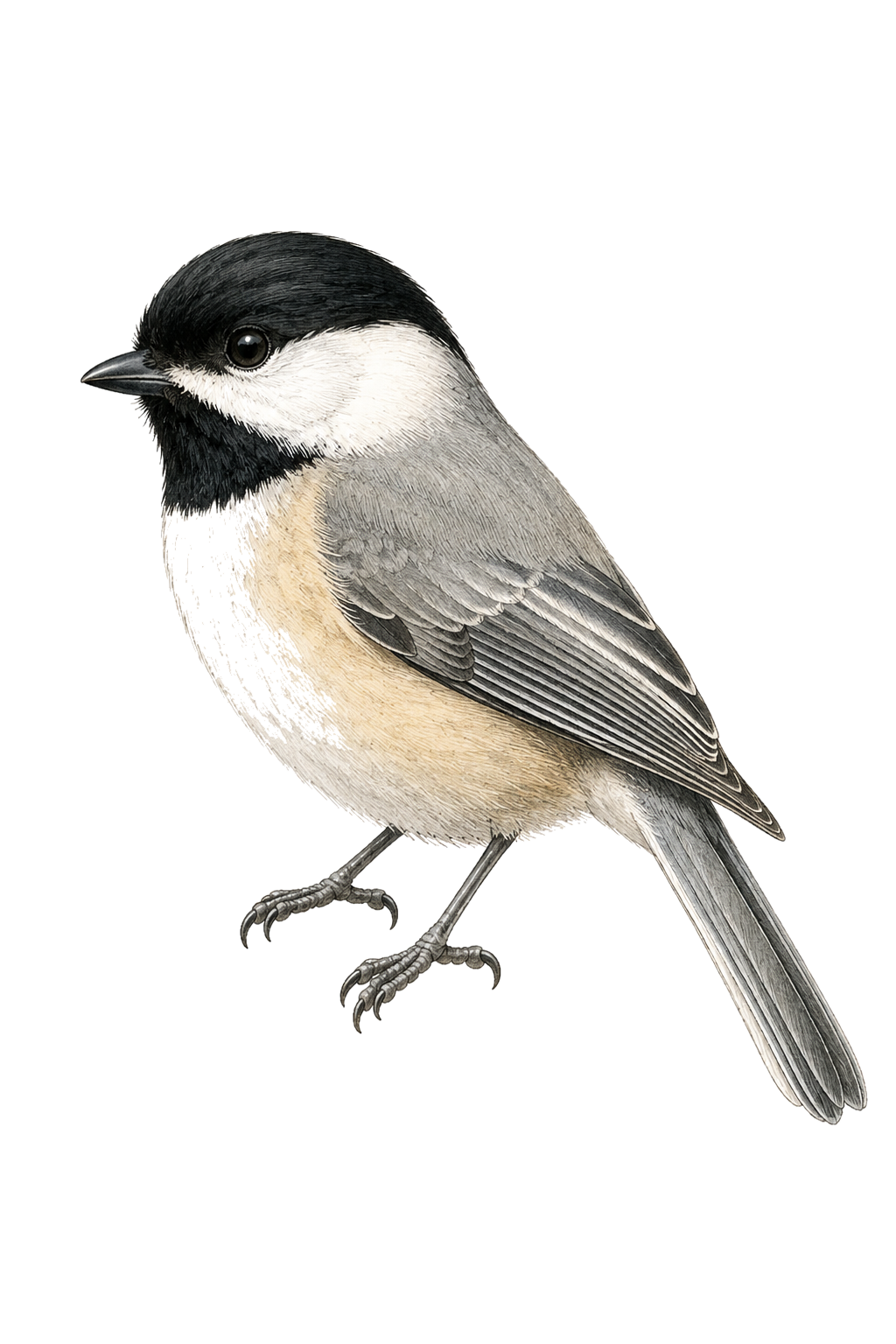
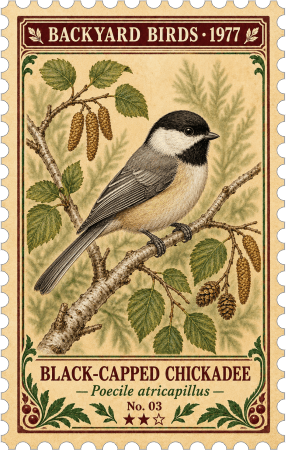
Black-capped Chickadee
Poecile atricapillus
A bold, curious bird that visits feeders year-round and is often the first species to discover a new food source in the yard.
Attracting Black-capped Chickadee
Chickadees are one of the easiest birds to attract — they are curious, fearless, and will investigate almost any feeder. Offer the right food in the right spot and they will arrive within days.
Stock Black Oil Sunflower Seed
Black oil sunflower seed is the single best everyday food for chickadees — small enough to carry, thin-shelled, and energy-rich.
Hang a Suet Cage
Add a wire suet cage near your seed feeder. Chickadees are strong fliers and cling easily to vertical suet cages.
Offer Peanuts in a Mesh Feeder
Whole or halved unsalted peanuts in a mesh feeder give chickadees a high-fat, high-protein option they cache for later.
Best Foods for Black-capped Chickadee
- Black oil sunflowerThe everyday seed staple; chickadees take one seed at a time and cache most of themBest choice
- SuetRendered suet cake in a wire cage; especially valuable in cold weatherBest choice
- Peanuts (unsalted)Whole or halved, offered in a mesh feeder or alongside seedsExcellent
- NyjerOccasionally eaten but not a primary preferenceOccasional
Skip the seed mix
Black-capped Chickadees do not typically eat salted peanuts, or bread. Standard backyard seed blends will not do much to attract them.
Ideal Feeder Setup
Best choice
A tube feeder or peanut mesh feeder
Chickadees are agile enough to use almost any feeder style, but prefer to grab one item and fly off to cache or eat it — a simple perch and a small hopper or tube works best.
- Perches long enough to grip while extracting seeds
- Positioned 5–7 feet off the ground
- Near shrubs or trees for a quick retreat
- Suet cage separate from seed feeder
- Protected from the prevailing wind in winter
- Easy to clean between refills


Make Your Yard Bird-Friendly
Do
- Place the feeder within 10–15 feet of dense shrubs or a tree — chickadees need a quick escape route
- Keep a suet cage filled through winter — chickadees rely on high-fat food when temperatures drop
- Leave dead snags standing — chickadees excavate nest cavities in soft dead wood
- Try hand-feeding — chickadees are among the most likely birds to take seeds from an outstretched palm
Avoid
- Offering salted peanuts or seasoned nuts — salt is harmful to small birds
- Using a feeder with no perches — chickadees need to grip while feeding
- Placing the feeder in a wide-open area with no nearby cover
- Letting the feeder stay wet — damp seed molds quickly and can harm birds
When You'll See Them
Black-capped Chickadees are year-round residents and are among the most reliable feeder visitors in every season. They are especially easy to attract in winter when natural food sources are limited. In spring, pairs begin scouting nest sites and may use nest boxes placed in your yard.