 Folk
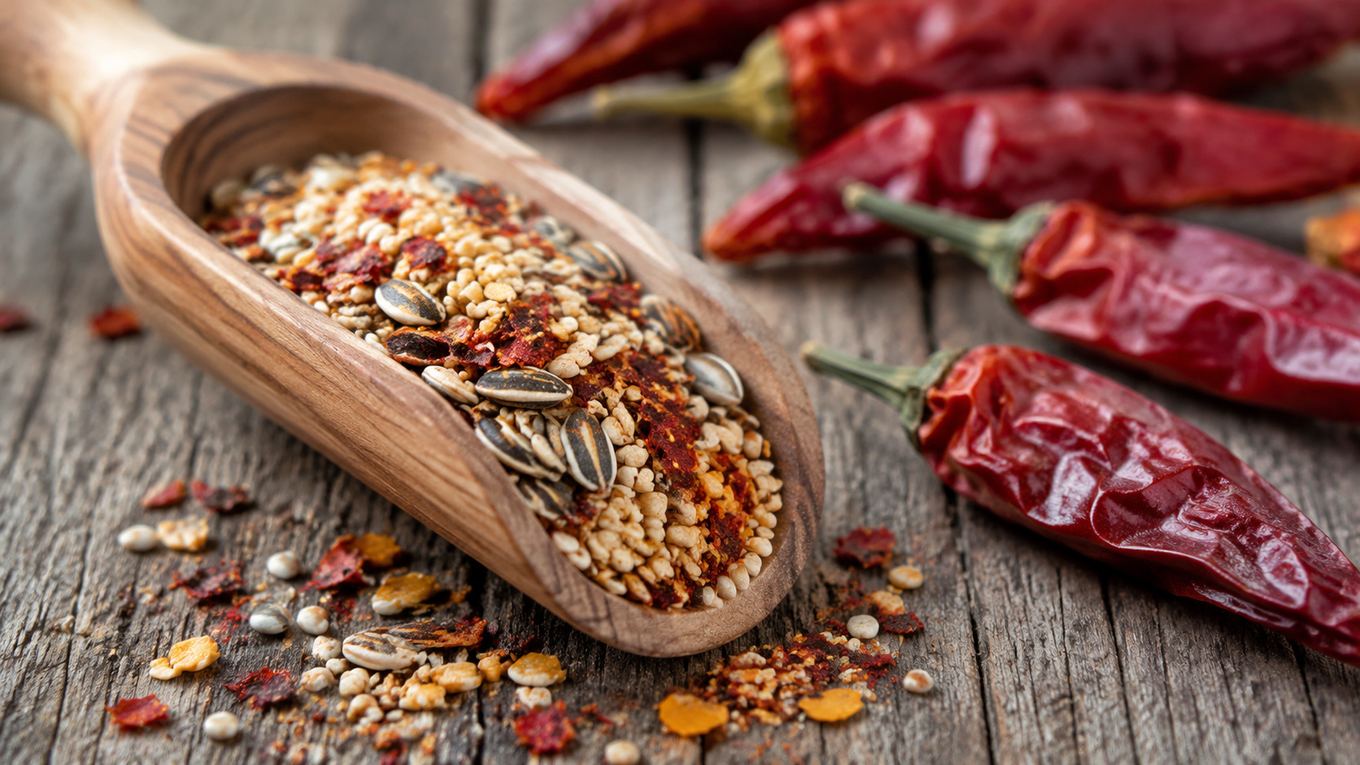
FolkHot pepper birdseed sounds like a gimmick, but the underlying science is real: birds genuinely cannot taste capsaicin, and it genuinely does deter squirrels. The part that gets oversold is how complete a fix it is on its own.
Why birds are unaffected
Capsaicin — the compound that makes peppers taste hot — works by binding to a specific pain receptor found in mammals. Birds don’t have that receptor at all, so they don’t experience any heat, irritation, or discomfort from it. This isn’t a workaround or a tolerance thing — birds physiologically can’t perceive capsaicin the way mammals do, which is why hot pepper seed shows up specifically as a mammal deterrent rather than a bird deterrent.
Does it actually stop squirrels?
Yes, initially. A Cornell study from 2000 confirmed that capsaicin-coated seed does deter gray squirrels while remaining just as appealing to wild birds. That’s the real mechanism, not marketing.
Where it falls short in practice:
- Tolerance builds up. Individual squirrels can adapt to the sensation over time and go back to feeding despite the heat.
- It needs constant reapplication. Capsaicin coating wears off or gets diluted every time you add fresh seed, so it’s an ongoing task, not a one-time fix.
- Reports are mixed. Plenty of birders report squirrels ignoring it entirely after the first week or two, even though the lab science behind it is sound.
The real risks aren’t to birds — they’re to you
- Handling irritation. Capsaicin-coated seed can irritate your eyes, nose, or lips if you touch your face after handling it — treat it the way you’d treat handling hot peppers themselves.
- Loose powder in the wind. If you’re using a loose cayenne coating rather than a pre-treated commercial blend, powder can blow around and potentially irritate birds’ eyes — not from the capsaicin itself affecting them biologically, but as simple airborne irritant contact.
Hot pepper seed vs. mechanical squirrel-proofing
| Capsaicin seed | Baffle + correct pole placement | |
|---|---|---|
| Affects birds | No — no receptor, no reaction | No |
| Affects squirrels | Yes, initially | Yes, consistently |
| Squirrel tolerance over time | Can develop | Doesn’t apply — it’s physical, not sensory |
| Ongoing effort | Reapply with every refill | Check occasionally after storms |
| Handling caution needed | Yes | No |
If you decide to use it anyway
- Buy a pre-treated commercial blend rather than coating seed yourself with loose cayenne — it’s more evenly applied and cuts down on airborne powder.
- Wash your hands before touching your face or eyes after handling it.
- Use it as a supplement to a correctly placed baffle and pole setup, not as your only line of defense.
- Watch for individual squirrels that stop reacting to it after a week or two, and don’t be surprised when it happens — that’s the documented pattern, not a sign you did something wrong.
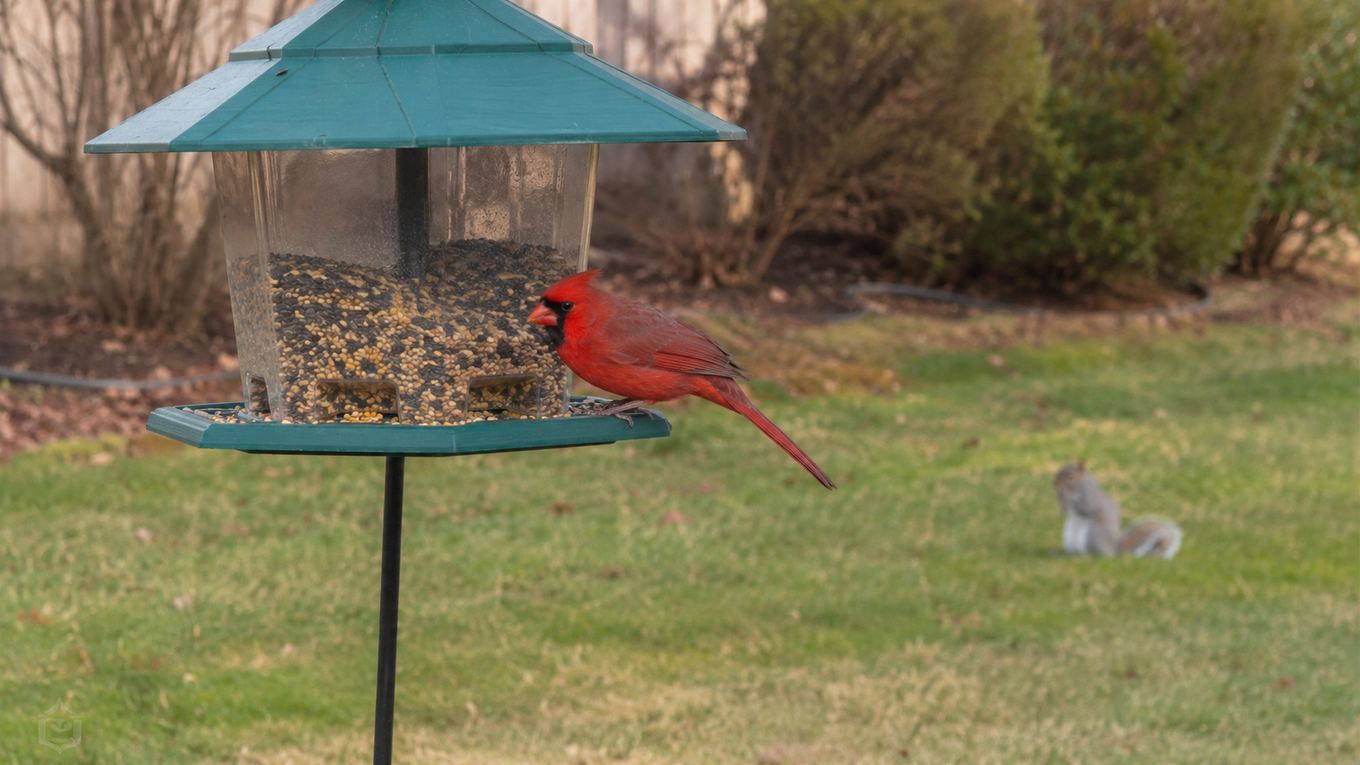
The short version: it’s not a myth, but it’s also not a fix you can rely on alone. Correct pole distance and baffle height do the reliable, physical work; hot pepper seed is, at best, a supplementary layer on top of that.